Jebel Ali Falls Out of the Top 30 Ports: What the Hormuz Disruption Means for Shippers
Alphaliner data shows Dubai dropping from 10th to 32nd while Colombo and Nhava Sheva climb. Here is how Gulf transshipment shifted and what to change in your network.

In this report 10 sections
Jebel Ali, Dubai's giant container port, fell from 10th to 32nd in Alphaliner's first-half 2026 rankings. Restrictions on the Strait of Hormuz cut traffic into the Persian Gulf, so carriers moved transshipment to Colombo, Nhava Sheva and other hubs. Shippers with Gulf-bound cargo face new routings, longer transit and higher costs.
This article explains what the ranking change shows, which ports gained, and how importers and exporters can adjust their networks. It is written for shippers, forwarders and planners with any exposure to Gulf trade or Asia-Europe transshipment. Laneage tracks freight and supply chain shifts, and the Gulf port reshuffle is one of the biggest structural changes in 2026 container shipping.
What Do the 2026 Port Rankings Show?
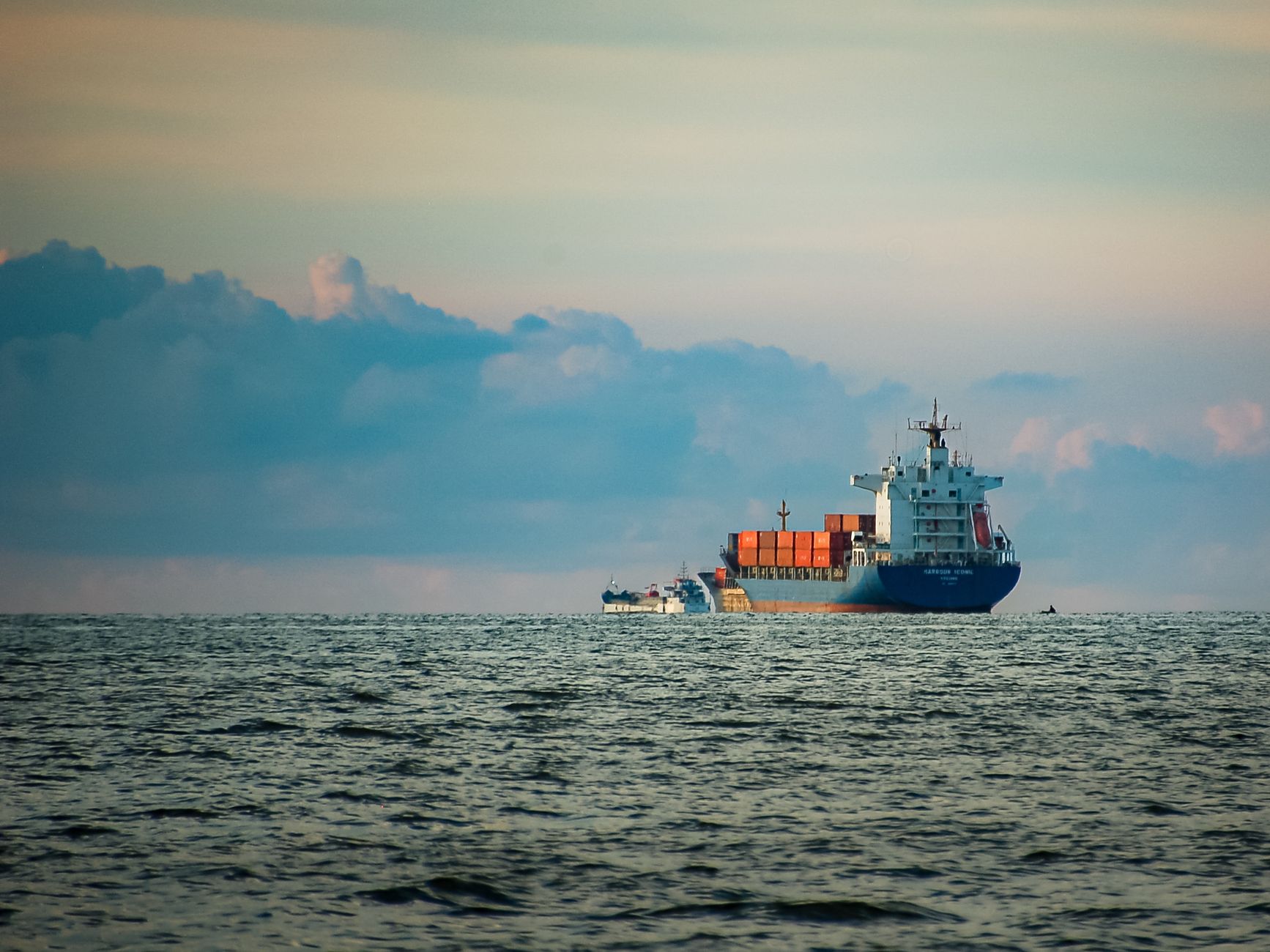
The rankings show a Gulf hub losing more than half its volume in six months. Marine Insight, summarizing Alphaliner data, reports that Jebel Ali handled 3.14 million TEU in the first half of 2026, compared with 7.77 million a year earlier. That drop is almost 60%, according to Marine Insight. A TEU is a twenty-foot equivalent unit, the standard way to count containers.
The second quarter was the worst. Jebel Ali handled just 374,000 TEU, down more than 90% year on year. Abu Dhabi's Khalifa Port fell by at least 50% and dropped out of the global top 50.
Other ports moved the other way. Shanghai stayed first with 28.74 million TEU. Ningbo-Zhoushan took second place, overtaking Singapore for the first time in a six-month period, with 22.9 million TEU against 22.74 million.
Why Did Jebel Ali Lose So Much Traffic?
Jebel Ali sits inside the Persian Gulf, so most vessels calling there must pass through the Strait of Hormuz. When that passage is restricted, ships cannot reach the port on normal schedules. Alphaliner blames geopolitical disruption in the Middle East, especially limits on Hormuz transit.
A risk monitor from Transport Intelligence says the strait has been closed to shippers since war broke out on February 28, 2026. Marine Insight describes a slightly different timeline, with Hormuz close to shutting from March and partly and unevenly reopening in June. The two accounts differ on detail, but both agree traffic collapsed.
The same monitor notes that Gulf freight often depends on Hormuz, Bab al-Mandeb and Suez at the same time. Rerouting to Saudi Red Sea ports runs into its own risk, so there is no simple bypass, according to the Transport Intelligence monitor.
Which Ports Gained From the Shift?

Colombo and Nhava Sheva gained most visibly. Colombo handled 4.44 million TEU in the first half, up 11.9%, and rose from 26th to 20th. The Sri Lanka Ports Authority says transshipment is almost 85% of its container business, which shows how much it depends on carriers choosing it as a relay point.
Nhava Sheva, India's main container port, climbed from 28th to 21st. The risk monitor adds that Jakarta grew 10% and Nhava Sheva 14% in the same period.
The table below summarizes the main movers and what each means for a shipper.
| Port | H1 2026 result | What it means for shippers |
|---|---|---|
| Jebel Ali | 3.14 million TEU, 10th to 32nd | Gulf cargo needs alternate entry points |
| Khalifa Port | Down at least 50% | Abu Dhabi cargo faces the same limits |
| Colombo | 4.44 million TEU, up 11.9% | Key relay for Gulf and South Asia cargo |
| Nhava Sheva | 28th to 21st | Growing option for Indian Ocean routing |
| Antwerp-Bruges | Down 1.5%, up one place | Gain came from Jebel Ali falling |
How Are Cargo Owners Reaching the Gulf Now?
They are using overland routes. Marine Insight reports that DP World has moved 500,000 TEU through road and rail corridors across the Gulf Cooperation Council region since March. The network can handle about 3,000 truck movements a day.
DP World set up bonded routes between Jebel Ali and the east-coast ports of Fujairah and Khorfakkan. It also added 700 trucks and raised inland container capacity. In July it signed a 50-year deal to develop two terminals on the UAE's east coast, and the Al Rugaylat terminal in Fujairah is expected to reach 2.5 million TEU a year.
The monitor also reports containers discharging at Omani ports and moving overland into Dubai. These are workable fixes, but each adds handling, paperwork and trucking cost. Laneage's editors would treat them as bridges, not a return to normal.
What Does This Mean for Freight Costs and Transit Times?

Costs rise in several places at once. Longer routings add days at sea. Overland legs add trucking and customs steps. Bonded movements require paperwork that must match the original bill of lading, so errors cost time.
Energy makes it worse. The monitor puts Brent crude for November at $107 a barrel on September 14, up $50 year on year. It also cites the US Energy Information Administration for diesel at $6.529 a gallon on September 21. Truck legs are therefore more expensive than they would have been a year ago.
Document discipline becomes more important when cargo changes hands several times. Our guide on how to read a bill of lading explains the fields that matter when freight is rerouted and transferred between modes.
Is This Only a Gulf Problem?
No. Port rankings are a sign of how fast a network can reshuffle. Ports far from the conflict gained volume, while European gateways such as Antwerp-Bruges moved up one place mainly because Jebel Ali dropped. Hamburg fell four places to 27th, with volume down 3.8%.
The wider lesson is that transshipment hubs are not fixed. Carriers change calls quickly when a chokepoint closes. A shipper who assumed a stable relay port may find the carrier's schedule rewritten with little notice.
Los Angeles-Long Beach handled just under 10 million TEU, up 2.8%, though Alphaliner says part of that rise came from importers front-loading cargo before US tariff changes. Our piece on the US-China tariff truce shows how trade policy can move volume as sharply as geography.
How Should Shippers Adjust Their Networks?

Start by listing every lane that touches the Gulf, either as a destination or a transshipment point. Mark the ones with no alternative route. Those are your single points of failure, and they need attention first.
Then work through these steps, which move from quick checks to longer projects.
- Ask each carrier which relay ports they now use for Gulf and South Asia cargo.
- Request quotes for overland options from east-coast UAE ports and Oman.
- Check insurance terms for war and rerouting exclusions.
- Build extra transit days into customer promises and production plans.
- Review inventory buffers for Gulf-bound and Gulf-sourced lines.
Rail also plays a role in other regions. Our report on rail carrier capacity gains shows how overland options are expanding in North America, and the same thinking applies to any corridor that replaces a blocked sea lane.
What About Contracts, Insurance and Customer Promises?
Contract terms decide who absorbs the extra days and dollars. Many ocean contracts let a carrier change the discharge port when a route is unsafe or blocked. The shipper then pays for onward movement to the original destination, often at short notice and at spot prices.
Read the clauses on port substitution, war risk and force majeure before you need them. Some cargo policies exclude war-related losses or require an extra premium. A call to your broker takes an hour and can prevent a large uninsured claim on a stranded container.
Customer promises deserve the same review. If a buyer expects delivery within four weeks, and your routing now adds ten days, say so before the order ships. Retailers and distributors usually accept a clear new date. They react badly to a missed old one.
Finally, keep a short log of every rerouting decision and its cost. That record helps in disputes with carriers and gives your finance team the data to price the risk into next year's contracts.
What Should You Watch Next?
Three signals matter most. First, whether Hormuz transit becomes steady or stays partial. Second, whether carriers restore Jebel Ali calls or keep the new hubs as permanent relay points. Third, how fast the east-coast UAE terminals ramp up.
There is a counterpoint. Rankings measure container throughput, not value or urgency. Some Gulf cargo, such as energy equipment and urgent medical supplies, still moves by air or special routing. A port's rank can fall sharply while essential trade finds a way through.
It is also worth noting that the full top-30 table was not published in the coverage we reviewed, only the main movers. Check Alphaliner's own release when you need a specific port.
Conclusion
Jebel Ali's slide from 10th to 32nd is a clear signal that a major relay hub can lose most of its volume in months. Colombo, Nhava Sheva and east-coast UAE terminals are absorbing part of the flow, and overland corridors fill gaps at a higher cost. Map your Gulf exposure, get alternate quotes and build more time into your plans. Do that review this month, before the next disruption makes the choice for you.


