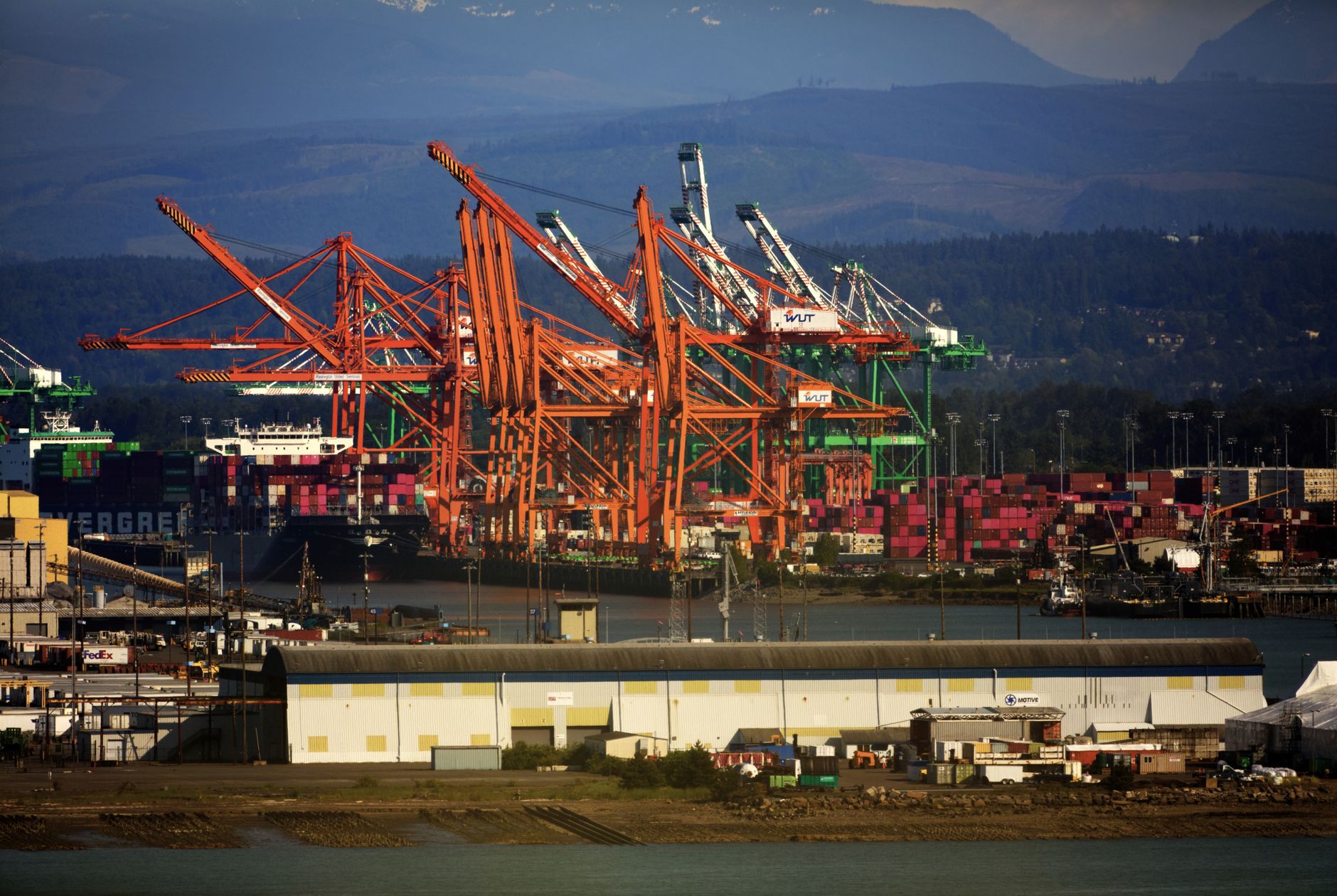
Rhine Record Low Water: What Importers and Shippers Should Do Now
The Rhine gauge at Kaub fell below zero for the first time on record. Here is what that does to barge capacity, freight costs and your European inbound plan.

In this report 9 sections
The Rhine is the busiest inland waterway in Europe, and in late September 2026 its Kaub gauge fell to an all-time low. Barges had to carry far lighter loads, so capacity shrank and prices rose. Importers with cargo moving through Rotterdam or Antwerp into Germany should plan for delays and extra cost.
This guide explains what happened on the Rhine, why a gauge reading below zero still matters, and how it reaches your freight bill. It is written for importers, shippers and ecommerce operators who move goods into central Europe. Laneage covers freight and supply chain news, and the Rhine story is one of the clearest examples this year of a chokepoint that most shippers never see on their dashboards.
What Happened on the Rhine in September 2026?

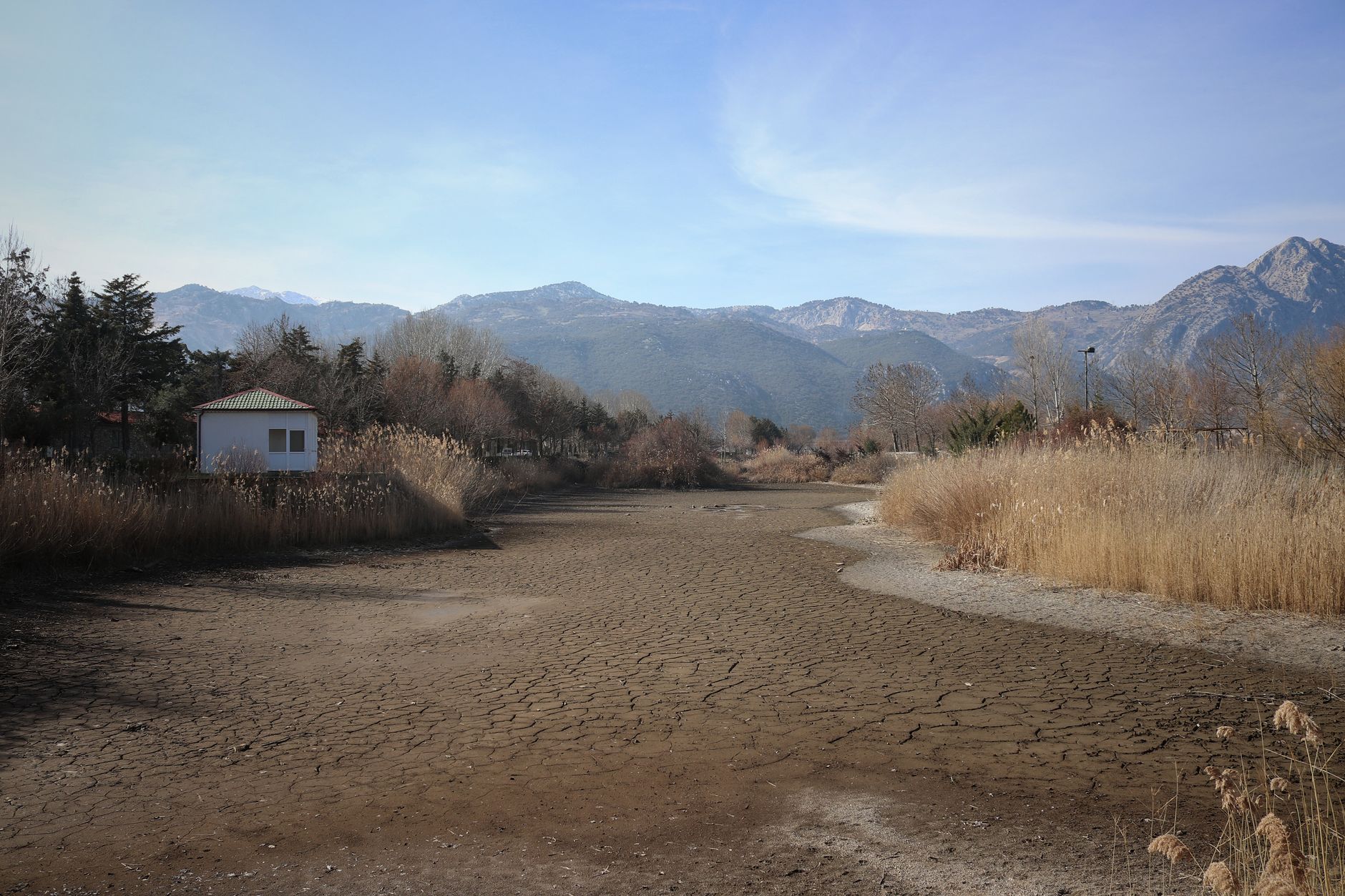
The Rhine dropped to levels never recorded at Kaub, a narrow stretch west of Frankfurt. Xinhua reported that the gauge read minus 3 cm on Sunday, September 27, an all-time low according to Germany's Federal Waterways and Shipping Administration. It recovered only to about 1 to 3 cm the next day, according to the Xinhua report.
The cause was severe drought and heat. Forecasts called for warm, dry weather across the region, so the river was expected to stay critically low for some time.
A separate risk monitor from Transport Intelligence put the Kaub reading at 4 cm on September 24, the lowest since records began in 1880. It also counted 74 days this year when the level sat below 78 cm, the point where barges must cut loads sharply. The previous record was 41 days, set in 2022, according to that monitor.
Does a Gauge Reading Below Zero Mean the River Is Empty?
No. The Kaub gauge measures the distance between the water surface and a fixed reference point, not the depth of the channel. At minus 3 cm the actual depth was still around 1 meter. That is not empty, but it is too shallow for a fully loaded commercial barge.
This matters for planning. A barge that normally sits low in the water with hundreds of containers or thousands of tons of bulk cargo can only carry a fraction of that when the channel shrinks. The vessel still makes the trip, but each trip moves less freight.
How Low Water Turns Into Higher Freight Costs
A barge operator pays for the crew, fuel and terminal time whether the boat is full or not. When the load limit drops, those fixed costs spread across fewer containers. Operators respond with low-water surcharges, higher base rates, or both.
The Transport Intelligence monitor noted that by August only small vessels, or ships loaded to roughly a fifth of capacity, could pass the middle and upper river. Voyages to southern Germany and Switzerland had virtually stopped. That is a steep reduction, and it lands on top of fuel prices that are already high.
We covered the fuel side in our look at how ecommerce shippers should handle record diesel prices. The two problems compound. When barges lose capacity, cargo shifts to trucks and rail, and those modes are paying more for diesel and labor.
Port dwell is the quieter cost. When barge slots are scarce, containers wait on the quay, and the free time on a container can run out before the boat arrives. Demurrage and detention charges then start to accrue on cargo that the shipper cannot move. Ask your carrier how free time is counted when inland transport is the cause of delay.
The table below shows the main places where low water adds cost, and what a shipper can do about each one.
| Cost driver | What changes | Shipper response |
|---|---|---|
| Reduced barge load | Fewer containers per trip | Book earlier, accept partial shipments |
| Low-water surcharge | Added per container or per ton | Read the clause, ask for a cap |
| Port dwell | Containers wait for barge slots | Check free time and demurrage terms |
| Modal shift | More demand on rail and truck | Lock in alternative capacity now |
| Southern Germany reach | Barge service nearly stops | Route by rail from the start |
Why Is This Becoming a Yearly Risk Instead of a Rare Event?

Low water is no longer a once-a-decade surprise. The 74 low days this year beat the 2022 record of 41 by a wide margin. World Weather Attribution, cited in the same monitor, found that climate change made this summer's extreme evaporation about 80 times more likely in western Europe.
Infrastructure will not fix this quickly either. Removing rock from the riverbed at Kaub was first promised in 1992. The monitor says it is now pencilled in for 2033. Shippers should treat low water as a recurring seasonal risk, much like hurricane season for Gulf ports.
Laneage's editors see this pattern in other chokepoints too. The Panama Canal cut daily transits this year, and Gulf shipping has been disrupted since the spring. A network that depends on one narrow route for a large share of its volume is exposed, whichever route it is.
What Importers and Shippers Should Do Before the Next Dry Spell
Start with your contracts. Many barge and forwarding agreements carry a low-water clause that triggers once the Kaub gauge drops below a stated level. Find out the trigger, the surcharge formula and whether there is a cap. If the clause is silent, ask for one in writing before peak season.
Then walk through this short checklist of actions, in order of how quickly they pay off.
- Pull every shipment that touches the Rhine corridor in the next 90 days.
- Ask your forwarder for a rail or truck fallback quote for each lane.
- Raise safety stock for items sourced from inland German suppliers.
- Split large orders into smaller, more frequent tenders.
- Confirm who bears the cost of delay under your agreed trade terms.
That last point is easy to miss. Under some delivery terms the buyer carries the risk once goods leave a named point, while under others the seller does. Our guide to Incoterms 2020 shows where responsibility shifts, and it is worth rereading before a dry autumn turns into an expensive one.
How to Build Rhine Risk Into Your Network Plan

Short-term fixes buy time, but a durable plan treats the Rhine as one node in a larger network. Map which suppliers, warehouses and customers rely on that corridor. Our walkthrough on mapping your supply chain for risk covers the method step by step.
Look for single points of failure. If one distribution center in southern Germany serves a large share of your European orders, a dry summer can strand it. A second node on a different transport mode costs money, but it is cheaper than a month of stockouts.
Rail is the obvious alternative, though it is not a free pass. Rail capacity is finite, and when barges lose volume, other shippers chase the same slots. Booking a baseline volume on a long-term basis usually beats scrambling for spot space in August.
Finally, set a trigger of your own. Decide in advance that when the Kaub gauge falls below 78 cm for a set number of days, a share of your volume moves to rail automatically. A rule written in calm weather is easier to follow than a decision made during a shortage.
What This Means for Ecommerce Sellers and Retailers
Ecommerce brands that sell into Germany, Austria and Switzerland feel this late. Product leaves the port on time, then sits in a terminal waiting for a barge slot or a rail booking. Customers see a delivery date slip and the brand takes the blame.
Fulfillment teams can soften the hit in three ways. First, move the highest-velocity items to a warehouse closer to the customer before the dry season starts. Second, update delivery estimates on product pages when the gauge drops, rather than after complaints arrive. Third, ask the fulfillment partner how they handle inbound containers stuck at the coast, since some pay for rail upgrades and some pass the cost through.
None of this is glamorous. It is the same discipline that peak season demands, applied to a river. The brands that handle it well are usually the ones that wrote the playbook before the gauge dropped.
What Could Change the Outlook?
Rain would help quickly, since the river responds to upstream precipitation and alpine melt. But the forecasts in late September pointed to a dry spell, and the structural trend is not on the river's side. Planning for relief is fine. Depending on it is not.
There is also a counterpoint worth stating. Barges remain one of the cheapest ways to move heavy cargo inland, and most weeks of most years they run normally. The goal is not to abandon the river. It is to stop assuming it will always be open at full capacity.
Conclusion
The Rhine reached a record low at Kaub in September 2026, and the effects reach well beyond Germany. Lower barge loads mean higher costs, longer waits and more pressure on rail and trucks. Shippers who read their contracts, book fallback capacity and map their exposure will absorb the next dry spell with far less pain. Start with the 90-day shipment review this week.