How to Map Your Supply Chain for Risk Before a Disruption Forces the Question
Supply chain risk mapping means tracing dependencies not just to direct suppliers but to their sub-tier suppliers and shared geographic…

In this report 9 sections
Quick answer: Mapping your supply chain for risk means tracing dependencies past direct suppliers into their sub-tier suppliers and shared geographic concentrations — the layer most companies never check. Start with critical-path products, push visibility into tier two, overlay geography, then revisit the map at least once a year as suppliers change.
Most companies can describe their direct supplier relationships in detail. Far fewer have real visibility into the tier-two and tier-three suppliers those relationships actually depend on. That's exactly where a lot of real disruption risk hides, unexamined.
Start With Critical-Path Mapping

Don't try to map risk across an entire supplier base at once. Start by identifying which specific products or components would actually stop production or a critical revenue line if disrupted — the critical path. Focus the deeper risk-mapping effort there first.
This prioritization matters because full multi-tier mapping across an entire supply base is a significant undertaking. Doing it thoroughly for the handful of genuinely critical paths delivers most of the risk-reduction value for a fraction of the effort.
Push Visibility Into Tier Two and Beyond

Direct suppliers are usually well understood. The harder question is asking those suppliers who their own key sub-tier suppliers are, and specifically whether any of them are shared across what looks like a diversified supplier base. That question surfaces risk a tier-one-only view completely misses.
This requires actually asking the question directly rather than assuming diversification exists. Suppliers aren't always forthcoming about their own upstream dependencies unless asked as part of a formal risk assessment process.
Overlay Geographic Concentration
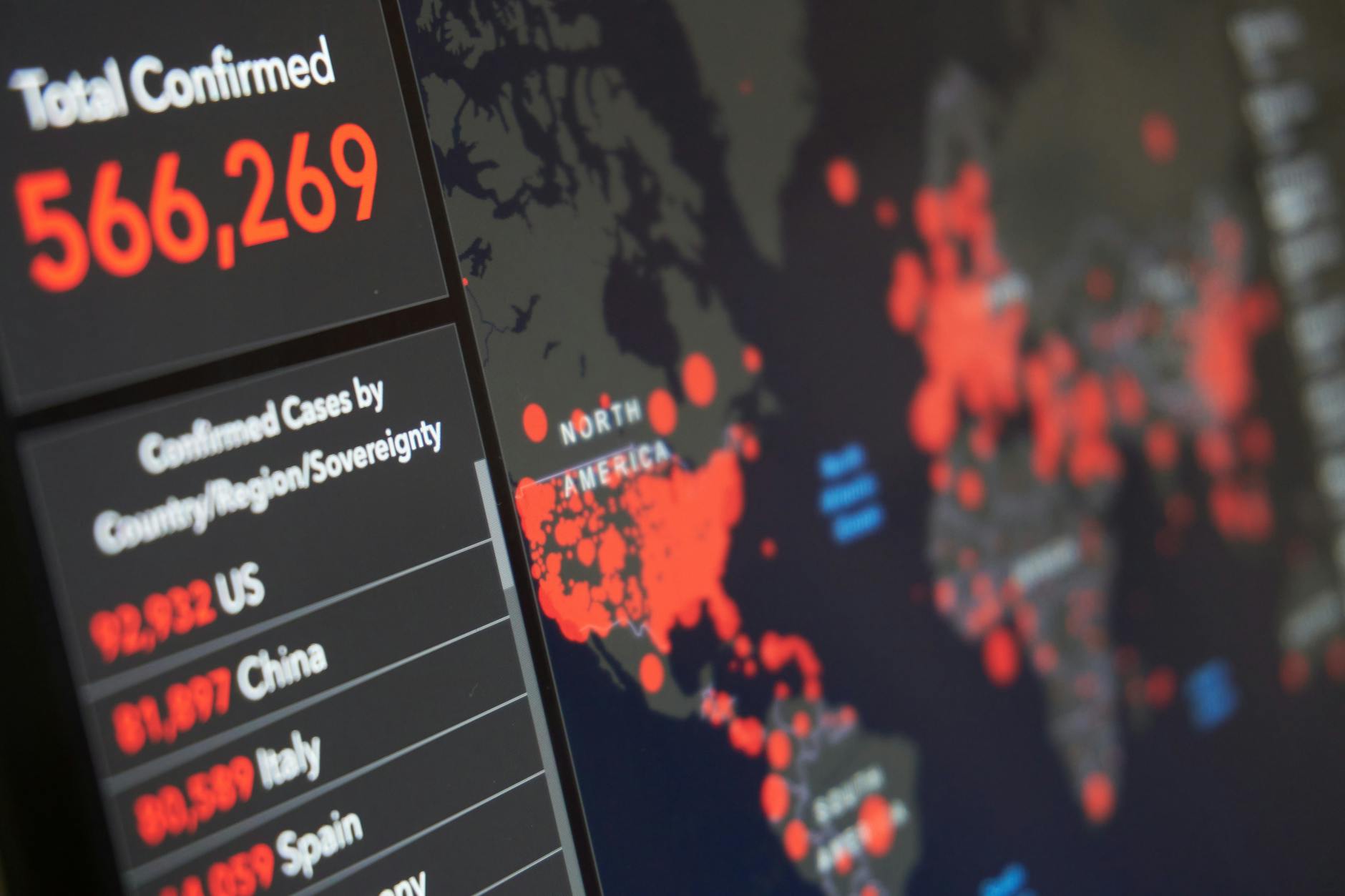
Once the multi-tier map exists, overlay it against geography. A regional disruption — a port closure, a natural disaster, a trade policy shift — affects every supplier and sub-tier supplier in that region simultaneously. It doesn't matter how many separate company names appear on the supplier list.
This is where the dual sourcing approach connects directly to risk mapping. A dual-sourcing strategy that doesn't check for shared geography or shared sub-tier suppliers between the two sources hasn't actually reduced the concentration risk it was meant to address.
Keep the Map Current

A risk map built once and never revisited goes stale. Suppliers change their own sourcing, new products get introduced, and relationships shift. An annual refresh, at minimum for the critical-path items identified initially, keeps the map useful instead of letting it become a historical artifact.
Tie this refresh to the broader supplier base audit cycle instead of running it as a separate initiative. That's what makes it more likely to actually happen on schedule, rather than getting deprioritized as a standalone project.
What This Means Day to Day
For most teams working on supply chain risk mapping, the theory matters less than what changes on Monday morning. Supply Chain Dive's ongoing coverage tracks the policy and disruption side of this well, but Laneage hears from readers in supply chain roles who care less about that abstract debate and more about what specifically to check in their own operation this week — a contract line, a packing checklist, a supplier conversation.
Nicole Farr's own reporting on this beat, cross-checked against industry reporting from outlets that track it closely, keeps coming back to the same pattern. The shippers and planners who do best treat supply chain risk mapping as a recurring line item to monitor, not a one-time decision made once and forgotten. That single habit — a short recurring review folded into an existing planning cycle — tends to matter more than any individual tactic covered above.
It also helps to name an owner. A lot of the mistakes Laneage sees on this beat don't come from a lack of information — the guidance above isn't obscure. They come from nobody on the team being explicitly responsible for checking it on a regular cadence. If supply chain risk mapping touches more than one department, put one name on it. The actual work can stay distributed, but a slipping metric or an expiring exception needs somewhere to land before it becomes a bigger problem. Our wider coverage of this beat has more on how other teams have split that ownership.
Where to Start This Week
Working through everything above in one sitting isn't realistic for most teams. It helps to prioritize. Here's the order Laneage typically sees pay off fastest.
- First, list your critical paths. Name the handful of products or components that would actually stop production if disrupted. This step alone usually takes under a week and tells you where the rest of the effort should go.
- Next, call your tier-one suppliers and ask about their own suppliers. A short, direct question — who supplies your key inputs, and do any of them also supply our other vendors — surfaces shared dependencies that a supplier list alone never shows.
- Then, plot what you found on a map. A simple spreadsheet with a region column works fine at first. The goal is spotting whether three "different" suppliers all sit within one flood zone or one port's catchment area.
- Then, set a review date and put a name on it. Pick one person accountable for revisiting the map, and put the date on next year's calendar now, while the project has momentum.
- Finally, fold the review into an existing cycle. Attach it to your annual supplier audit rather than running it as a separate initiative — a standalone process is the first thing to get skipped when the team gets busy.
None of these steps require a large budget or a new system to start. Most of the value comes from someone actually sitting down with the current process, agreement, or data, and checking it against what's outlined above instead of assuming it already matches. Teams that skip straight to a technology purchase before doing this basic review tend to automate an already-broken process rather than fix it.
It is also worth revisiting this list on a set schedule rather than treating it as a one-time cleanup — our broader operational playbook covers how to build that review into a planning calendar. Conditions on supply chain risk mapping shift — new suppliers, new regulation, new competitive pressure — and a checklist that was accurate a year ago is not a guarantee it still is today. See also our related coverage for how this connects to the rest of the beat.
What This Looks Like Without a Dedicated Risk Team
Most of this guide assumes some capacity to run supplier interviews and build a formal map. A lot of shippers reading this don't have that — it's one or two people already stretched across procurement, logistics, and everything else.
The version that works at that scale is smaller in scope, not different in method. Pick your three most critical products, not your whole catalog. Call the suppliers behind just those three and ask the sub-tier question. Put the answers in a shared spreadsheet instead of dedicated risk software. That's a real risk map, just scoped to what a small team can actually maintain.
The mistake to avoid is treating "we don't have a risk function" as a reason to skip this entirely. A three-product map that gets built and revisited once a year beats an ambitious full-network map that never gets finished because nobody had the bandwidth to complete it.
Bottom Line
The disruptions that catch companies most off guard tend to originate in the tier-two and tier-three suppliers nobody was tracking, not the well-monitored direct relationships. A focused, critical-path-first risk mapping effort is what closes that visibility gap before it becomes an actual production stoppage.
Laneage will keep tracking this topic as conditions change, and readers working through it in their own operation are welcome to reach out through the site with questions this piece did not cover.
Frequently Asked Questions
Why is tier-two supplier risk harder to see than tier-one?
Companies have direct contractual relationships and regular communication with tier-one suppliers, but visibility into those suppliers' own sub-tier dependencies requires proactively asking, which many companies never do.
How often should a supply chain risk map be updated?
Annually at minimum for critical-path items, ideally tied to the same cycle as your broader supplier base audit so it does not get deprioritized as a separate effort.
Where can shippers get more detail on supply chain risk mapping?
Laneage's coverage tracks this topic on an ongoing basis.
Laneage covers the operational and policy side of moving goods — from the dock to the border, and from the warehouse floor to the fulfillment center. Nicole Farr reports for Laneage on this beat, drawing on conversations with shippers, carriers, and compliance teams working through these exact questions every week.


