How to Read a Bill of Lading Without Getting Burned
A bill of lading is the legal contract for a freight shipment. Read the freight class, weight, and released-value liability lines…

In this report 7 sections
Quick answer: A bill of lading is the legal contract for a freight shipment. Read the freight class, weight, and released-value liability lines carefully before signing — they determine what you can actually recover if something goes wrong.
The bill of lading (BOL) gets treated like paperwork to rush through at pickup. It is actually the contract that decides who is liable for what, and shippers who skim it find that out the hard way during a claim.
The Fields That Actually Matter

Shipper and consignee information seems obvious, but the freight description, NMFC class, and weight fields are where most disputes start. If the description is vague ("miscellaneous goods") or the class is understated, the carrier has grounds to reclass and rebill after pickup.
The released value line is the one shippers skip most often. It sets the maximum liability per pound the carrier owes on a damage claim — often a fraction of the goods' actual value unless you have separately declared and paid for higher coverage.
Special Instructions Go on the BOL, Not to the Driver
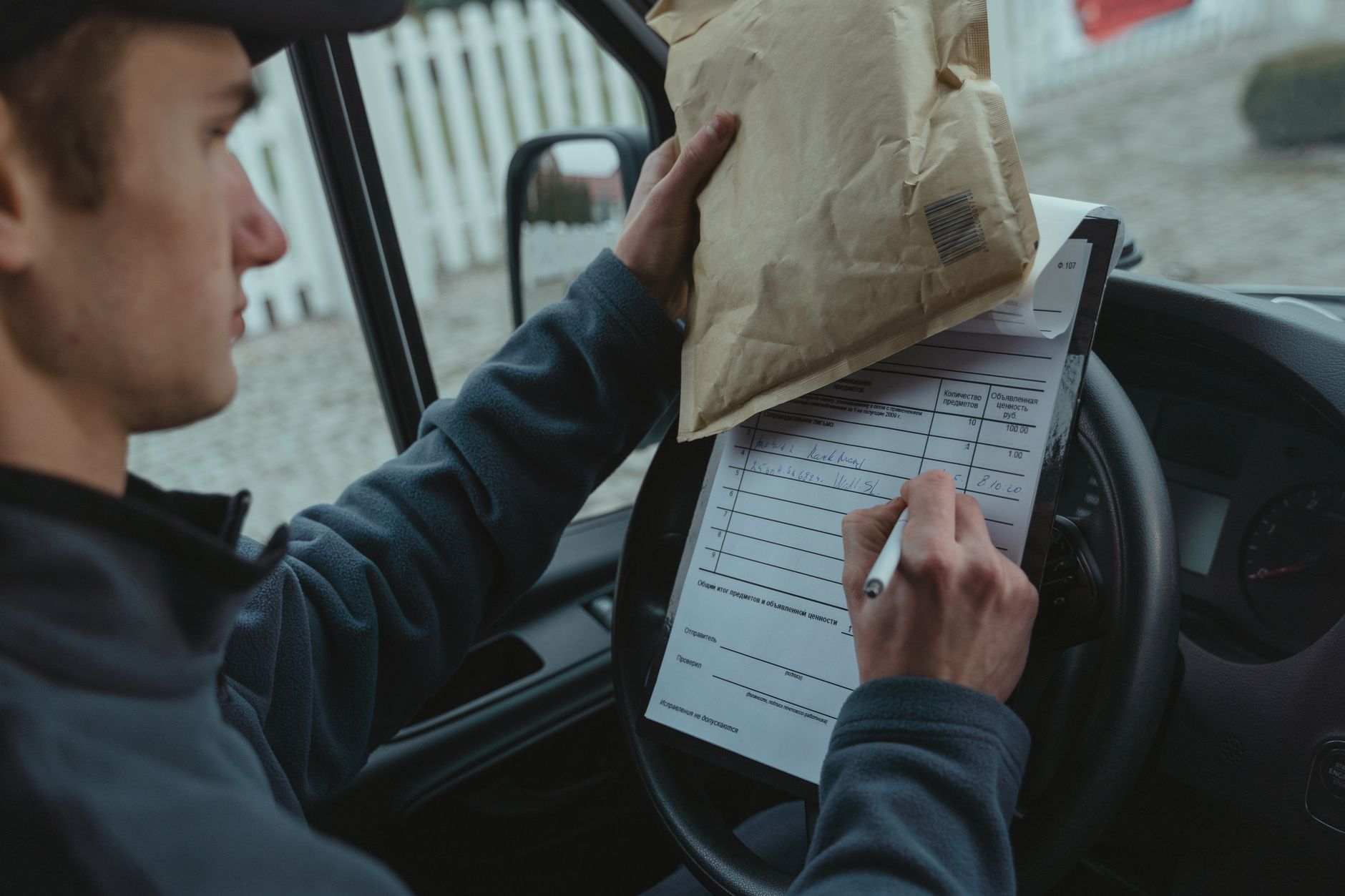
Telling a dispatcher you need liftgate service over the phone does not obligate the carrier if it is not written on the BOL. Anything time-sensitive — appointment delivery, inside delivery, notify-before-arrival — needs to be in writing on the document itself.
This matters because the BOL is what the delivering driver and terminal actually reference; verbal instructions from a sales call do not travel with the freight the way the paperwork does.
What to Do at Delivery

Inspect freight before signing, not after the driver leaves. If there is visible damage, note it directly on the delivery receipt in specific terms ("crushed corner, box 3 of 5") — a signature with no exception notes is treated as acceptance in good condition, which can void an otherwise valid claim.
Photograph any damage before the driver leaves the dock. Carriers routinely request photos as part of a claim, and having them taken at the moment of delivery removes any dispute about when the damage occurred. FMCSA guidance covers shipper rights in more detail.
What This Means Day to Day
For most teams working on bill of lading, the theory matters less than what changes on Monday morning — recent government data on this front only tells part of the story. Laneage hears from readers in logistics roles who are less interested in the abstract policy or strategy debate and more interested in what specifically to check in their own operation this week — a contract line, a packing checklist, a supplier conversation.
Dana Whitfield's own reporting on this beat, cross-checked against industry reporting from outlets that track it closely, keeps coming back to the same pattern: the shippers and planners who do best are the ones who treat bill of lading as a recurring line item to monitor, not a one-time decision made once and never revisited. That single habit — building a short recurring review into an existing planning cycle rather than creating a new standalone process — tends to matter more than any individual tactic covered above.
It also helps to name an owner. A lot of the mistakes Laneage sees on this beat do not come from a lack of information — the guidance above is not obscure — they come from nobody on the team being explicitly responsible for checking it on a regular cadence. If bill of lading touches more than one department, put one name on it, even if the actual work stays distributed, so a slipping metric or an expiring exception has somewhere to land before it becomes a bigger problem. Our wider coverage of this beat has more on how other teams have split that ownership.
Where to Start This Week
Working through everything above in one sitting is not realistic for most teams, so it helps to prioritize. Here is a rough order of operations based on what Laneage typically sees pay off fastest:
- First: The BOL is a binding contract, not a shipping label — this is usually a manageable first step even for a team without a lot of spare bandwidth, and it tends to surface pretty quickly whether the rest of the process needs a bigger rework or just a tune-up.
- Next: Declared freight class and weight must match the actual shipment — this is usually a manageable first step even for a team without a lot of spare bandwidth, and it tends to surface pretty quickly whether the rest of the process needs a bigger rework or just a tune-up.
- Then: Released value liability terms cap what a carrier owes on a claim — this is usually a manageable first step even for a team without a lot of spare bandwidth, and it tends to surface pretty quickly whether the rest of the process needs a bigger rework or just a tune-up.
- Then: Special instructions (liftgate, appointment) must be written on the BOL, not just told to the driver — this is usually a manageable first step even for a team without a lot of spare bandwidth, and it tends to surface pretty quickly whether the rest of the process needs a bigger rework or just a tune-up.
- Finally: A signature at delivery without exception notes waives your right to claim visible damage — this is usually a manageable first step even for a team without a lot of spare bandwidth, and it tends to surface pretty quickly whether the rest of the process needs a bigger rework or just a tune-up.
None of these steps require a large budget or a new system to start — most of the value comes from someone actually sitting down with the current process, the current supplier or carrier agreement, or the current data, and checking it against what is outlined above rather than assuming it already matches. Teams that skip straight to a technology purchase before doing this basic review tend to automate an already-broken process rather than fix it.
It is also worth revisiting this list on a set schedule rather than treating it as a one-time cleanup — our broader operational playbook covers how to build that review into a planning calendar. Conditions on bill of lading shift — new suppliers, new regulation, new competitive pressure — and a checklist that was accurate a year ago is not a guarantee it still is today. See also our related coverage for how this connects to the rest of the beat.
Bottom Line
A bill of lading is not a formality — it is the document that decides what you can recover if freight is lost or damaged. Read the class, weight, and liability lines every time, put special instructions in writing, and inspect before you sign at delivery.
Laneage will keep tracking this topic as conditions change, and readers working through it in their own operation are welcome to reach out through the site with questions this piece did not cover.
Frequently Asked Questions
Who is legally responsible for BOL accuracy?
The shipper is responsible for declaring accurate weight, class, and description. Carriers can and do reweigh and reclass, then rebill based on the actual shipment.
Can I refuse to sign a BOL with damage?
You can and should note exceptions on the delivery receipt rather than refusing the shipment outright — refusing can complicate the claim, while a documented exception preserves it.
Does the BOL cover the full value of my goods?
Only up to the released value declared, which is often capped by freight class. Separate cargo insurance is the only way to cover full replacement value.
Laneage covers the operational and policy side of moving goods — from the dock to the border, and from the warehouse floor to the fulfillment center. Dana Whitfield reports for Laneage on this beat, drawing on conversations with shippers, carriers, and compliance teams working through these exact questions every week.