How to Negotiate Freight Rates Like You Actually Have Leverage
Negotiating freight rates effectively starts before the conversation — with organized volume data, a clear understanding of your own lane…

In this report 8 sections
Quick answer: Negotiating freight rates effectively starts before the conversation. You need organized volume data, a clear understanding of your own lane density, and a credible alternative carrier already vetted, not just an ask for a lower number from your incumbent carrier.
Freight rate negotiation often gets reduced to "ask for a discount and see what happens." That approach leaves real savings on the table, because it skips the preparation that actually creates leverage in the conversation.
Bring Data, Not Just an Ask

A negotiation that opens with "we need a better rate," with no supporting data, is easy for a carrier to deflect. Bring organized volume history by lane. Add seasonality patterns and your actual on-time and damage experience with the carrier. That gives the conversation a concrete basis instead of a vague request.
This data also lets you identify which specific lanes are actually overpriced relative to market. A blanket percentage discount can leave money on the table on your highest-volume lanes. It can also overcorrect on low-volume ones. Break the data down by lane before the call, not during it. A carrier rep can spot a shipper who is guessing at their own numbers, and that undercuts everything else you say in the room.
A Real Alternative Is Your Strongest Leverage

The single most effective leverage in any freight rate negotiation is a genuinely vetted alternative carrier ready to take the volume. A bluff does not work the same way. Carriers can generally tell the difference between a shipper who has done the work to qualify a real alternative and one who is posturing.
The negotiation prep work has to happen before the renegotiation conversation. Get a competitive quote and do at least preliminary vetting on an alternative carrier first. Don't threaten a hypothetical alternative during the conversation itself.
Negotiate Total Cost, Not Just the Base Rate
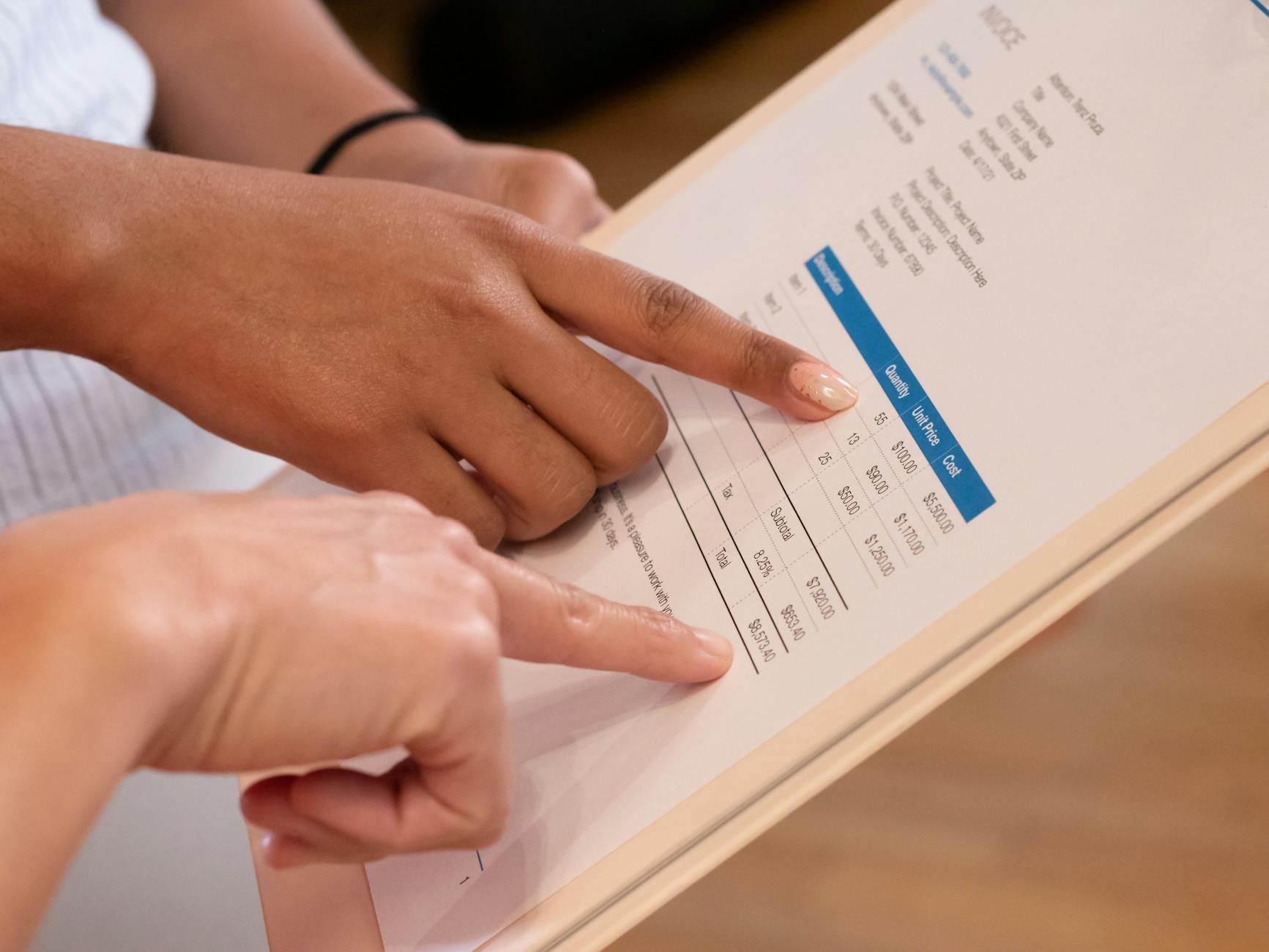
Accessorial fees, fuel surcharge tables, and detention/demurrage terms often carry more total cost impact than the base linehaul rate. That's especially true for shippers with recurring accessorial needs like liftgate or residential delivery. Negotiate these terms explicitly, not just the headline rate — real savings often hide there.
A carrier willing to hold firm on base rate may have more room to negotiate on accessorial fee schedules or detention-free time. Either path can achieve the same total cost outcome through a different line item. Ask for a full accessorial schedule before you sign anything, not just the base linehaul number. Dana Whitfield has seen shippers save more on detention-free time in a single quarter than they saved on the base rate for the entire year.
Timing the Conversation

Approach a carrier for a rate renegotiation during their seasonal slow period, not during peak capacity crunch. This timing generally improves your negotiating position. A carrier hungry for volume during a slow season has more incentive to work with you than one turning away freight during peak.
Multi-year rate agreements can work in a shipper's favor by locking in predictable pricing. They do trade away some upside if market rates fall. Weigh that tradeoff against your own tolerance for rate volatility versus budget predictability.
What This Means Day to Day
For most teams working on negotiate freight rates, the theory matters less than what changes on Monday morning. Recent government data on this front only tells part of the story. Laneage hears from readers in logistics roles who want something more specific than an abstract policy or strategy debate. They want to know what to check in their own operation this week — a contract line, a packing checklist, a supplier conversation.
Dana Whitfield's own reporting on this beat is cross-checked against industry reporting from outlets that track it closely. The pattern keeps coming back the same way: the shippers and planners who do best treat negotiate freight rates as a recurring line item to monitor, not a one-time decision made once and never revisited. That single habit matters more than any individual tactic covered above. It comes down to building a short recurring review into an existing planning cycle, rather than creating a new standalone process.
It also helps to name an owner. A lot of the mistakes Laneage sees on this beat do not come from a lack of information — the guidance above is not obscure. They come from nobody on the team being explicitly responsible for checking it on a regular cadence. If negotiate freight rates touches more than one department, put one name on it. The actual work can stay distributed, but a slipping metric or an expiring exception needs somewhere to land before it becomes a bigger problem. Our wider coverage of this beat has more on how other teams have split that ownership.
Where to Start This Week
Working through everything above in one sitting is not realistic for most teams. It helps to prioritize instead. Here is a rough order of operations based on what Laneage typically sees pay off fastest:
- First: Organized volume and lane data is the foundation of any credible negotiation. This is usually a manageable first step even for a team without a lot of spare bandwidth. It also tends to surface quickly whether the rest of the process needs a bigger rework or just a tune-up.
- Next: A genuinely vetted alternative carrier is the single strongest source of leverage. This is usually a manageable first step even for a team without a lot of spare bandwidth. It also tends to surface quickly whether the rest of the process needs a bigger rework or just a tune-up.
- Then: Negotiating on total cost, not just base rate, catches where the real money moves. This is usually a manageable first step even for a team without a lot of spare bandwidth. It also tends to surface quickly whether the rest of the process needs a bigger rework or just a tune-up.
- Then: Multi-year rate agreements trade certainty for the carrier in exchange for a better rate. This is usually a manageable first step even for a team without a lot of spare bandwidth. It also tends to surface quickly whether the rest of the process needs a bigger rework or just a tune-up.
- Finally: Renegotiation timing matters. Approaching a carrier during their slow season improves your position. This is usually a manageable first step even for a team without a lot of spare bandwidth, and it tends to surface quickly whether the rest of the process needs a bigger rework or just a tune-up.
None of these steps require a large budget or a new system to start. Most of the value comes from someone actually sitting down with the current process, the current supplier or carrier agreement, or the current data. Check it against what is outlined above, rather than assuming it already matches. Teams that skip straight to a technology purchase before doing this basic review tend to automate an already-broken process rather than fix it.
It is also worth revisiting this list on a set schedule, rather than treating it as a one-time cleanup. Our broader operational playbook covers how to build that review into a planning calendar. Conditions on negotiate freight rates shift: new suppliers, new regulation, new competitive pressure. A checklist that was accurate a year ago is not guaranteed to still be accurate today. See also our related coverage for how this connects to the rest of the beat.
Bottom Line
Real freight rate leverage comes from preparation. That means organized data, a genuinely vetted alternative, and attention to total cost beyond the base rate. Do this before the negotiation conversation starts, not while improvising during it.
Laneage will keep tracking this topic as conditions change. Readers working through it in their own operation are welcome to reach out through the site with questions this piece did not cover.
Frequently Asked Questions
What is the biggest source of leverage in freight rate negotiation?
A genuinely vetted alternative carrier ready to take your volume. Carriers respond very differently to a credible alternative than to a bluff.
Should freight negotiations focus on base rate or total cost?
Total cost, including accessorials, fuel surcharge terms, and detention/demurrage. These often carry more impact than the headline base rate alone.
When is the best time to renegotiate freight rates?
During a carrier's seasonal slow period. Carriers have more incentive to retain or win volume then than during a peak capacity crunch.
Laneage covers the operational and policy side of moving goods — from the dock to the border, and from the warehouse floor to the fulfillment center. Dana Whitfield reports for Laneage on this beat, drawing on conversations with shippers, carriers, and compliance teams working through these exact questions every week.


