Air Cargo Demand Rises 4.4% Into Peak Season: What Ecommerce Shippers Should Do
IATA's August data shows demand up and capacity flat. Here is how ecommerce brands should handle air freight before the holiday rush.

In this report 7 sections
Air cargo demand grew 4.4% year over year in August 2026, while capacity stayed flat, according to IATA. Fuel costs are the catch: jet fuel is up 79.2% from a year ago. Ecommerce shippers heading into peak season should book earlier, ship only high-value goods by air, and budget for fuel surcharges.
Air freight rarely makes headlines until the holiday rush, and then every shipper wants space at once. This year the squeeze arrives with record fuel costs and an early start to Black Friday promotions. Laneage tracks the freight market for brands that move products, and this guide covers what the latest air cargo data means for ecommerce shippers planning their last inbound flights of 2026.
It is written for operators who buy air capacity directly or through a forwarder, and for brands deciding whether a late inventory top-up is worth the premium.
What the August 2026 Air Cargo Numbers Actually Show
The International Air Transport Association (IATA) reported that total air cargo demand, measured in cargo tonne-kilometers, rose 4.4% in August compared with a year earlier. International operations did a little better at 5.3%. Available capacity was essentially flat at negative 0.1%, so airlines filled more of the space they had. IATA's August release puts the global load factor at 46.0%, up 2.0 percentage points.
That combination matters for shippers. When demand grows and capacity does not, airlines gain pricing power. IATA also noted that yields rose month over month in August for the first time since April.
The demand picture rests on solid trade. Global goods trade grew 6.0% year over year in July, the 33rd straight monthly expansion. The manufacturing output index sat at 53.0, and new export orders rose to 51.4. Both readings above 50 signal expansion.
North American carriers led the regions with 6.6% demand growth. Their capacity fell 2.5%, which pushed their load factor up 3.6 points to 42.0%. For a brand importing from Asia, that tightness shows up in the quotes from your forwarder.
Not every lane is healthy. Gulf-linked corridors are still disrupted by the conflict in the Middle East. Europe to Middle East fell 12.1%, and Middle East to Asia fell 11.0%. Cargo that once routed through Gulf hubs is moving elsewhere, which adds to demand on other lanes.
Why Is Jet Fuel Making Air Freight So Expensive?
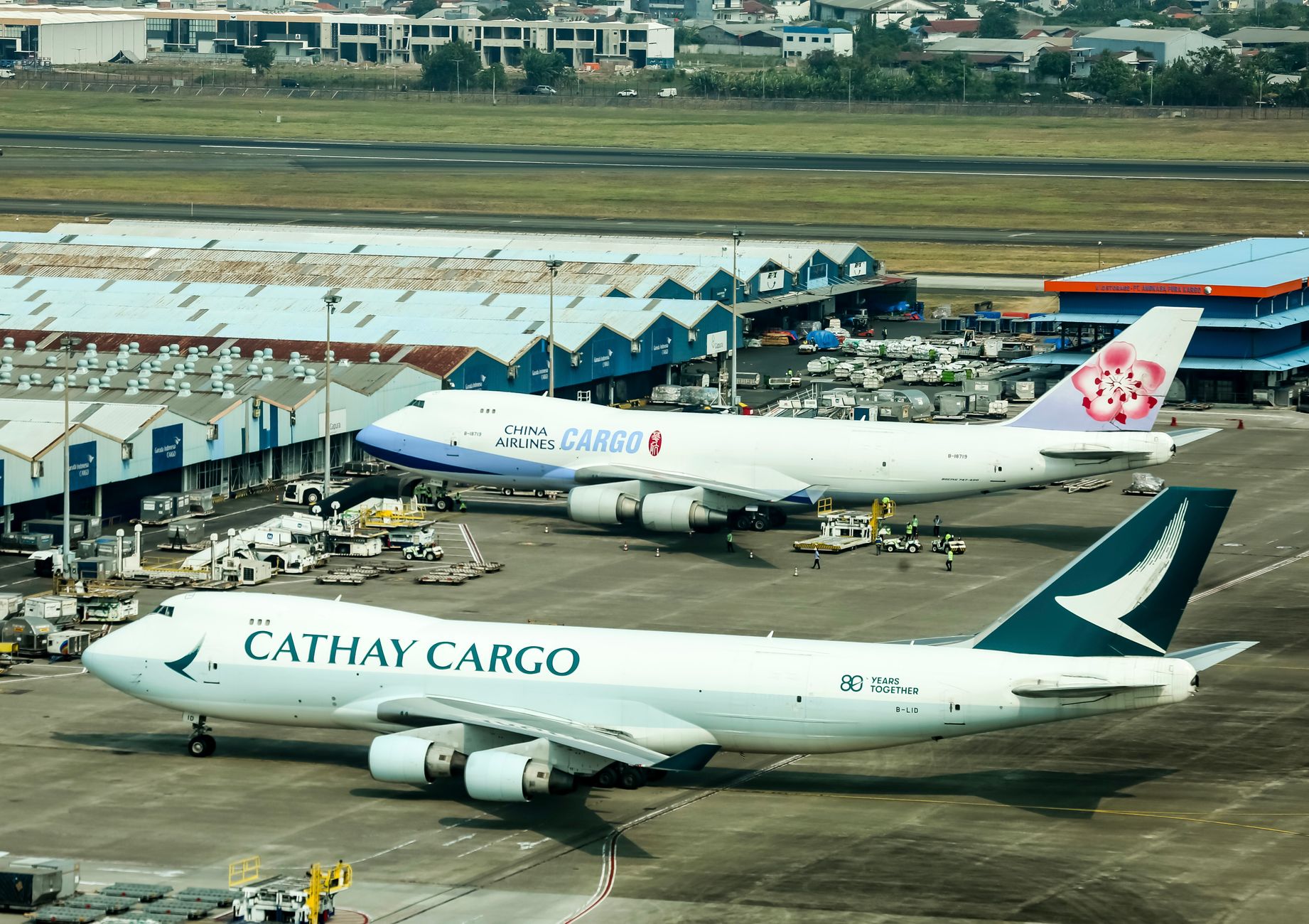
Jet fuel rose 8.3% in August alone and sits 79.2% above its level a year earlier. Airlines pass much of that through fuel surcharges. For shippers, the base rate per kilogram is only part of the bill, and the surcharge can move faster than the base rate does.
IATA's chief economist, Marie Owens Thomsen, said strong demand and higher load factors helped airlines recoup some of these exceptionally high fuel costs. In plain terms, carriers are recovering their costs from shippers, not absorbing them.
Ground fuel is moving the same way. C.H. Robinson reports that diesel is rising faster than crude oil because of refinery disruptions and strong export demand. We covered the trucking side in our look at how diesel prices feed into freight rates, and the same logic applies when your air shipment needs a truck at each end.
A practical point follows. Ask your forwarder to quote the all-in rate, with surcharges shown separately. A low base rate with a floating surcharge can cost more than a higher flat quote.
Here is a simple worked example. Suppose a forwarder quotes $3.00 per kilogram plus a $1.20 fuel surcharge for a 500-kilogram shipment. The all-in cost is $2,100. If the surcharge climbs to $1.80 before your cargo is tendered, the same shipment costs $2,400. That $300 swing is invisible if you only compare base rates.

The Transpacific Squeeze After Golden Week
Asia to North America is the lane to watch. IATA data shows it grew 13.2% year over year in August, its seventh straight month of growth. It also carries 23.5% of the industry's total tonnage, so a surge there moves the whole market.
Timing adds pressure. China's Golden Week holiday cuts factory output and flights in early October. When plants restart, a backlog of orders hits the airports at once. The C.H. Robinson October 2026 freight market update says post-Golden Week air demand will overlap with technology product shipments and inventory builds tied to early Black Friday sales.
Electronics are a big part of that load. Chip supply has improved, as we noted in our report on shortening semiconductor lead times, so more finished devices are ready to ship just as retailers want stock on shelves.
The result is a narrow window. Space is tightest in the two to three weeks after factories reopen, and rates usually do not soften until the holiday deadline for ocean freight has passed.
Which Products Still Justify Air Freight?
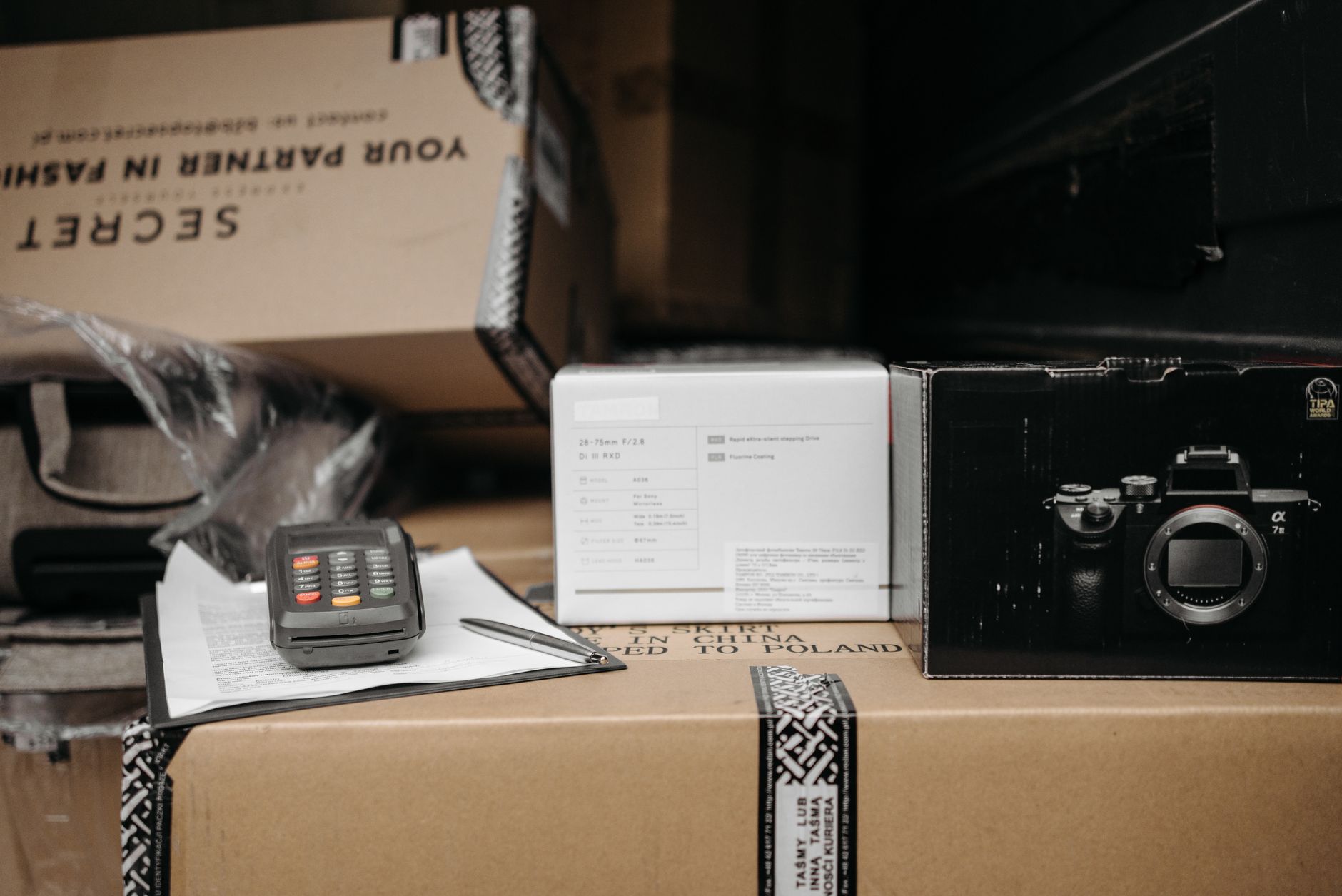
Air freight costs several times what ocean freight does per unit of weight. It only pays off when speed protects revenue. A simple screen helps decide which SKUs earn a seat on the plane.
The table below sorts common ecommerce products by how well they fit air shipping this peak season.
| Product type | Air fit | Why |
|---|---|---|
| Small electronics and accessories | Strong | High value per kilogram, short selling window |
| Best-selling SKUs about to stock out | Strong | Lost sales cost more than the freight premium |
| Limited holiday editions | Moderate | Worth it only if demand is proven |
| Apparel replenishment | Moderate | Margins can absorb air on top sellers only |
| Bulky home goods | Weak | Dimensional weight erases the margin |
| Heavy or low-margin items | Weak | Ocean or rail is almost always cheaper |
The deciding number is margin per kilogram, not margin per unit. A $60 item that weighs two kilograms may lose money by air, while a $60 item that weighs 200 grams usually will not.
Speed also costs less than a stockout. Brands that run a stock-out analysis on their top ten products can usually justify air for two or three of them and leave everything else on the water. Our guide to whether same-day delivery is worth the cost applies the same test on the outbound side.
Consider a mid-size brand with a headphone case that weighs 150 grams and sells for $19.99 in a promotion. At $2.40 per kilogram all in, air freight adds about 36 cents per unit. That is easy to absorb. Now take a $45 floor lamp that weighs six kilograms. Air adds more than $14 per unit, and the promotion no longer covers it. The same freight market gives two opposite answers.
There is also a middle path for products with uncertain demand. Ship a small first batch by air to test the offer, then commit larger ocean volume once the sell-through data arrives. That limits the premium to the units that carry the most risk.

How to Build an Air Freight Plan Before Peak
A workable plan takes about a week to put together. The steps below run in order, and each one reduces the risk of paying spot-market prices in November.
- List the five to ten SKUs where a stockout would hurt most, and calculate the margin per kilogram for each.
- Ask your forwarder for a quote on a committed weekly allocation, not just spot space.
- Request all-in pricing with the fuel surcharge shown on its own line.
- Set a cutoff date for the final air shipment, and work backward from the date inventory must be on shelves.
- Confirm that your warehouse can receive and put away goods quickly. Late air freight is wasted if it sits on a dock.
The last step is the one brands most often skip. If your fulfillment partner is already stretched, air freight only moves the delay. A 3PL with receiving capacity reserved for peak is worth confirming before you pay for faster transit.
Mix modes where you can. Some brands send a small air batch to cover the first two weeks of demand, with the bulk arriving by ocean or rail behind it. C.H. Robinson also notes that intermodal demand is rising as shippers look to diversify long-haul capacity.
What Can Still Go Wrong Even With a Good Plan
Even a well-built plan has weak points. Weather, customs holds, and trucking delays at the destination airport can all add days. Peak season also brings more cargo to customs examination queues, and a held pallet does not care about your promotion calendar.
Build a buffer of three to five days into your delivery date, and keep customs paperwork clean. Accurate product descriptions and tariff classifications reduce the chance of a hold. Our walkthrough on classifying goods under HTS codes covers the mistakes that slow clearance most often.
Finally, watch for capacity changes on your specific lane. A global average hides local conditions, and a carrier cancelling a weekly flight can strand a booking. Ask your forwarder for a backup routing before you need one.
Where This Leaves Ecommerce Shippers
The August data points in one direction. Demand is growing, capacity is not, and fuel is expensive. IATA does not publish a formal forecast, but its economist called rising yields and steady goods trade positive signs for the year-end peak. For airlines that is good news. For shippers it means paying attention early.
The practical answer is to be selective. Put your best-selling, highest-margin products on air, lock in allocations now, and leave the rest on slower modes. At Laneage, our editors will keep watching the lane data as peak season develops. Your next step is a margin-per-kilogram list of your top SKUs, sent to your forwarder this week.