Intermodal Volume Is Up 4.1% This Year: What It Means for Your 2027 Freight Bids
Rail intermodal keeps gaining share as truckload stays tight. Here is how shippers should sort lanes and structure bids for 2027.

In this report 7 sections
U.S. intermodal volume is up 4.1% through the first 38 weeks of 2026, according to the Association of American Railroads. Shippers writing 2027 bids should treat rail as a real long-haul option, not a backup. Split lanes by length and urgency, lock in drayage and chassis access, and keep truck capacity as a fallback.
Bid season is coming, and the market that shippers are bidding into is not the one they bid into last year. Truckload tightness has eased a little since Labor Day, but it has not gone away. Diesel is climbing faster than crude oil. Rail volumes keep growing. Laneage covers rates and capacity for people who buy freight, and this piece lays out what the latest intermodal data means for a 2027 bid.
It is written for transportation managers, procurement leads, and small shippers who put lanes out to bid once a year and live with the result.
What the Rail Numbers Say Heading Into Bid Season
The AAR's weekly report for the week ending September 26 shows U.S. railroads moved 301,610 intermodal containers and trailers, up 6.3% from the same week last year. Year to date, intermodal stands at 10,778,696 units, up 4.1%. Carloads are up 2.7%.
The weekly numbers bounce. The week ending September 12 fell 4.1%, then volume recovered with gains of 6.9% in the next week and 6.3% the week after. One soft week is noise. A string of positive months is a trend.
North America as a whole looks similar. Intermodal across the nine U.S., Canadian, and Mexican railroads rose 5.3% for the week. Mexico's railroads posted 6.9% growth in combined volume year to date, a sign of how much freight is crossing the southern border.
For a shipper, the takeaway is simple. Railroads are carrying more freight and are likely to want more committed volume on key corridors. That gives you something to bargain with.
Why Are Shippers Moving Long-Haul Freight to Intermodal?
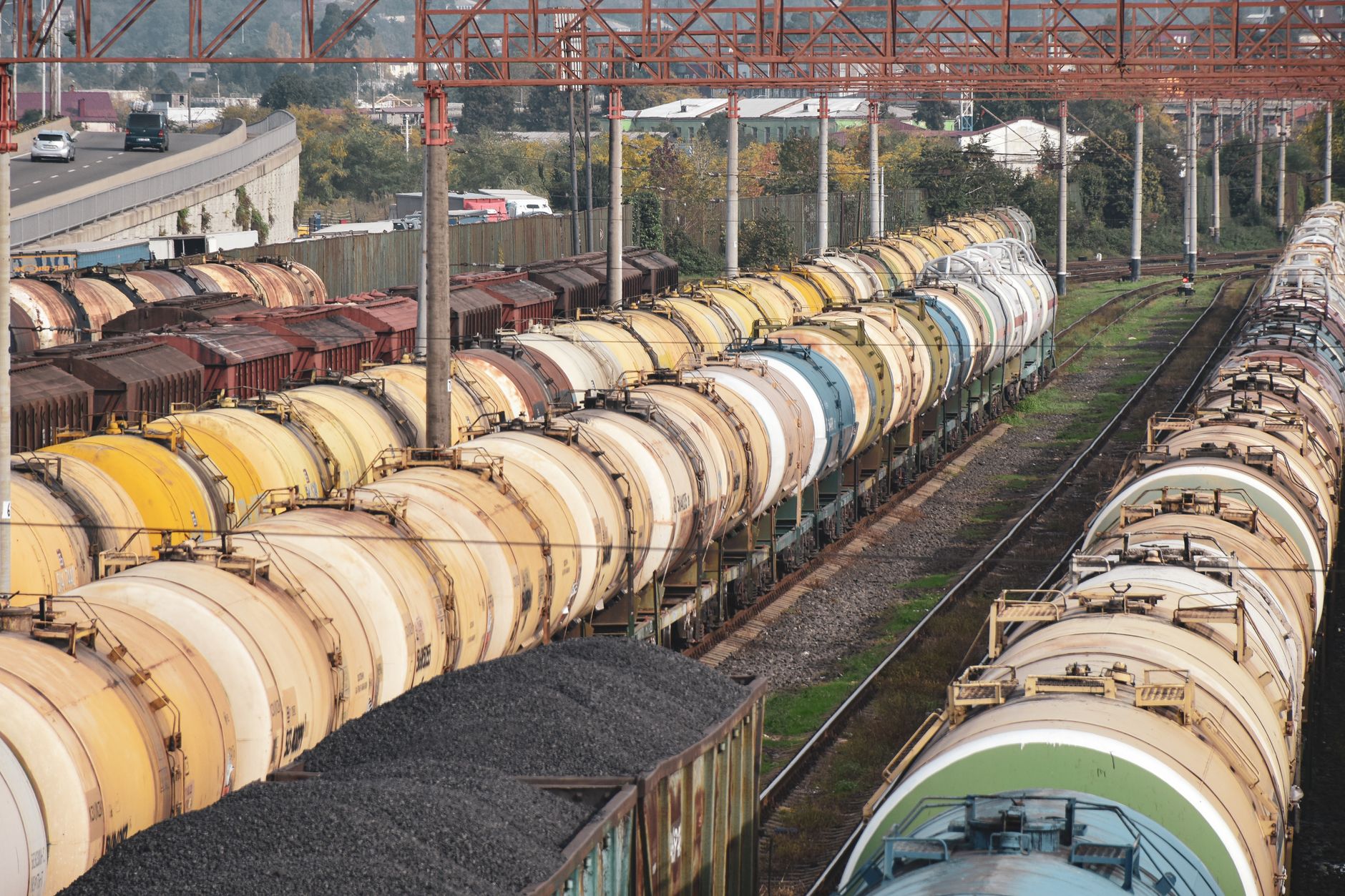
Shippers are moving freight to intermodal because truckload capacity has been tight and expensive, and rail offers a second pool of capacity. C.H. Robinson reports that intermodal demand is rising as shippers look to diversify long-haul capacity, and the firm is publishing guidance on 2027 intermodal bidding strategy.
The truckload picture explains the shift. In its October 2026 freight market update, C.H. Robinson says route guide tension remains high but has eased since Labor Day. Flatbed capacity tightened unexpectedly in some regions, and freight is still shifting from truckload into less-than-truckload networks.
Route guide tension is the rate at which a shipper's first-choice carriers reject loads, forcing freight down to backup carriers and the spot market. High tension means more rejected tenders, more spot buys, and less predictable cost.
We have covered how the driver shortage has shaped that market in our look at what changed in trucking capacity. The short version is that the supply of drivers has not loosened enough to remove the pressure, so rail keeps looking better on long lanes.
Rail is not free of risk. Union Pacific's proposed merger with Norfolk Southern would create the first U.S. transcontinental railroad, with more than 50,000 route miles. As of January, Supply Chain Dive reported that the Surface Transportation Board had temporarily denied the application for missing information. The outcome could change service options on major corridors, so bid contracts should leave room for adjustment.

Where Intermodal Pays Off and Where It Does Not
Intermodal works best on long, predictable, non-urgent lanes. It struggles on short hauls and on freight that cannot tolerate variable transit times. The table below shows a rough screen for sorting lanes.
| Lane type | Intermodal fit | Main concern |
|---|---|---|
| Long haul, over 1,000 miles, steady volume | Strong | Transit time variability |
| Mid-range, 500 to 1,000 miles | Moderate | Drayage cost can swamp savings |
| Short haul, under 500 miles | Weak | Truck is faster and often cheaper |
| Time-critical or promotional freight | Weak | Missed connections hurt service |
| Heavy, dense, non-urgent freight | Strong | Container weight limits |
The middle row is where most bid mistakes happen. A lane that looks cheaper on a per-mile basis can lose its advantage once you add drayage at both ends. Drayage is the short truck move between a rail ramp and a warehouse or port.
C.H. Robinson points out that container turnaround and inland movement depend on local drayage capacity, chassis availability, and boxcar shortages in some regions. A chassis is the wheeled frame that carries a container on the road. If there are not enough chassis at your ramp, your container waits.
Fuel adds another variable. ITS Logistics notes that drayage is especially sensitive to fuel cost swings, which tend to ripple into intermodal rates. With diesel rising faster than crude oil, according to C.H. Robinson, a bid that does not address fuel is incomplete.
How to Structure a 2027 Intermodal Bid
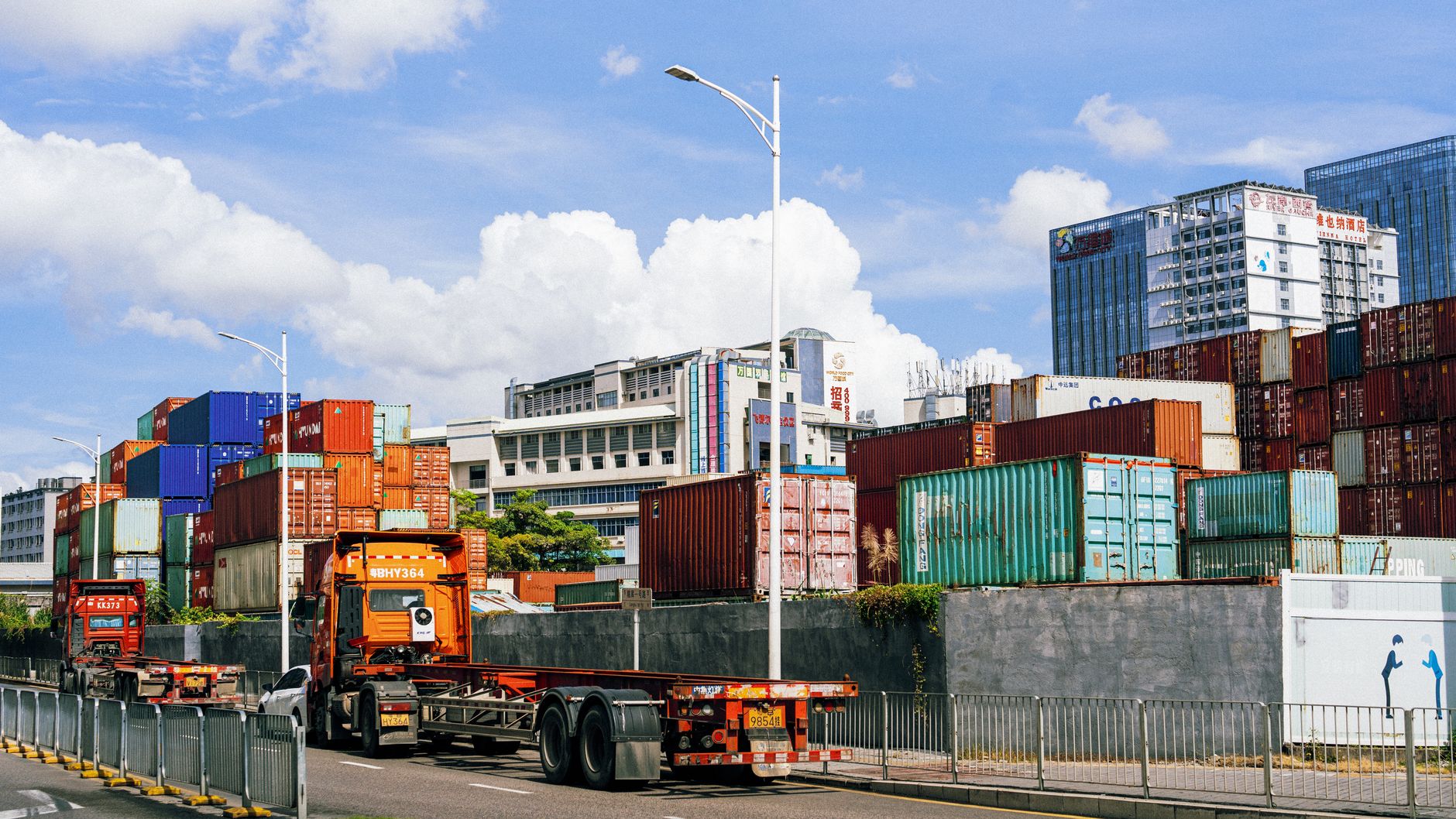
A good bid separates the lanes that belong on rail from those that do not, and sets clear terms for fuel, service, and backup. The steps below run in the order most transportation teams work through them.
- Pull 12 months of lane data and sort by distance, volume, and delivery window.
- Mark the lanes over 1,000 miles with steady weekly volume as intermodal candidates.
- Ask each rail partner for rates with drayage priced separately at both ends.
- Define how fuel is handled, including the index used and the update schedule.
- Write service terms for transit time, missed ramp cutoffs, and equipment availability.
- Keep a truckload backup carrier on each rail lane for time-critical orders.
Pricing drayage separately is the step that protects you most. Bundled quotes hide where the cost sits, and you cannot negotiate what you cannot see. If the drayage leg looks expensive, you can bid it to a local carrier on its own.
Think about volume commitments carefully. Rail partners like guaranteed weekly volume, and they will often pay for it with better rates. But a commitment you cannot meet becomes a penalty. Our guide to negotiating freight rates with real leverage goes deeper on how to size commitments so they help you rather than box you in.

How Fuel Changes the Bid Math
Fuel is the line item most likely to surprise you in 2027. C.H. Robinson says diesel is rising faster than crude oil because of refinery disruptions, strong export demand, and global bottlenecks. It also notes that the United States has not announced a diesel export ban, though tight supply has fed speculation about one.
Consider a simple example. A truckload lane of 1,200 miles at 6.5 miles per gallon burns about 185 gallons of diesel. If diesel rises 50 cents per gallon, fuel alone adds roughly $92 to that one load. Across 400 loads a year, that is more than $36,000 on one lane.
Rail uses less fuel per ton-mile, so the exposure is smaller on the line-haul leg. But the drayage legs run on diesel too. That is why bids should state which fuel index applies to each leg and how often the surcharge resets. Weekly resets track the market closely. Monthly resets lag, which helps you when prices rise and hurts when they fall.
Ask every bidder to show the surcharge table in the contract. A clear table lets you model cost scenarios before you sign, and it prevents arguments about calculation methods later.
What Smaller Shippers Should Ask Their Providers
Smaller shippers do not run annual bids with rail partners directly. They work through a third-party logistics provider or an intermodal marketing company, which buys rail capacity in bulk and resells it. That can be a fair deal, but you should ask how the provider prices fuel and what happens when equipment runs short.
Ask for two or three quotes and compare them on all-in cost per load, not on base rate. Ask what happened to their on-time performance during the soft week in mid-September. A provider who can explain a weak week honestly is usually more trustworthy than one who claims there were no problems.
Some brands have also saved money by shifting inbound freight to rail while keeping outbound parcels on trucks. The savings are real when the freight is heavy and the timing is flexible. One brand's shipping cost reduction shows how mode choice and carrier mix can work together.
The Bottom Line for 2027 Budgets
Intermodal is growing because it solves a real problem. Truck capacity is tight, fuel is volatile, and rail has room to take more long-haul freight. The AAR data supports the trend, and C.H. Robinson's market commentary supports the reasoning.
But rail is a tool, not a cure. Use it where distance and patience make it pay, price the drayage leg openly, and keep a backup for the freight that cannot wait. At Laneage, we will keep following the weekly rail data and carrier commentary as bids take shape. Your next step is to sort your lanes by distance and urgency before the first request for proposal goes out.