How to Dispute Detention Charges as a Shipper: A Step-by-Step Guide
Detention bills are easy to pay and hard to challenge. Here is the evidence, the timeline, and the wording that make a dispute hold up.

In this report 8 sections
To dispute detention charges as a shipper, pull the facts first. Compare the carrier's billed hours against your gate, dock, and appointment records. Check the rate confirmation for free time and rates. Then send a written dispute with timestamps within the carrier's claim window. Pay valid charges quickly and fix the delays behind invalid ones.
This guide is for small and mid-size shippers, logistics managers, and ecommerce operators who get detention invoices and do not know whether to pay them. Laneage covers how goods actually move, and detention is one of the least understood costs in that chain. The steps below work whether you ship full truckload, partial loads, or a few pallets a week.
What Counts as Detention and Who Owes It?
Detention is a fee a carrier charges when a driver waits beyond the free time agreed in the contract, usually two hours at a dock. Whoever's contract sets the fee owes it. Often that is the shipper, though a broker may pass it down to the shipper or receiver.
The two-hour norm is a custom, not a law. Federal rules do not set a national detention rate. Public comments filed with the Federal Motor Carrier Safety Administration (FMCSA) in response to its planned driver detention study, as FreightWaves reported, show that truckers want two free hours followed by $100 an hour. Brokers argue the issue should be settled between businesses, not by regulators.
That gap is why your own paperwork matters so much. If no rule fixes the rate, the contract is the rule. Many disputes are lost simply because the shipper never agreed to terms in writing and cannot show what was promised.
Start With the Rate Confirmation, Not the Invoice
The rate confirmation is the document that controls the bill. It should list free time, the hourly detention rate, any cap, and the rules for claiming it. Pull it before you open the carrier's invoice.
Check these four items against the invoice:
- The free time allowed before detention starts.
- The hourly rate and any daily maximum.
- The required notice, such as a call or message to dispatch.
- The deadline for filing a detention claim.
Carriers sometimes bill at a rate that was never agreed. Others bill from the appointment time when the contract says the clock starts at check-in. Either mistake is a valid basis for a dispute, and both are easy to spot when you read the contract first.
If your terms came through a broker, ask the broker for the carrier's signed rate confirmation. Marcus Oduya, who spent 16 years running freight operations, covers this exact gap between what a shipper thinks was agreed and what the paperwork says. We have seen the missing document decide the outcome more often than the actual wait.
Build the Timeline From Your Own Records

Detention disputes are won with timestamps. A carrier's driver log shows when the truck arrived and left. Your records show when it was checked in, assigned a door, loaded, and released.
The table below shows which records answer which question.
| Question | Best evidence | Where to find it |
|---|---|---|
| When did the truck arrive? | Gate or guard log | Security desk or yard system |
| Was there an appointment? | Scheduling record | Dock scheduling tool or email |
| When did loading start? | Door assignment time | Warehouse management system |
| When did it finish? | Signed bill of lading | Shipping office |
| Was the driver ready? | Check-in notes | Dock supervisor |
Compare each time against the carrier's claim. Look for gaps of even 30 minutes. A driver who arrived two hours before the appointment window has no claim for that early time. A driver who arrived on time and waited three hours has a strong one.
Do this before you reply. Your first response sets the tone, and a vague denial invites an escalation that costs more than the original fee.
Decide Whether the Claim Is Valid

Some detention claims are legitimate. If your dock ran late, the driver waited, and the contract allows the fee, you owe it. Disputing a valid claim wastes time and damages the relationship with a carrier you may need in a tight market.
The research on why this matters is not settled, but it points one direction. The 2014 FMCSA detention study, described by FreightWaves in its coverage of the new study, was limited by a small sample and could not separate normal loading time from excess waiting. FMCSA now plans a 12-month study of about 80 carriers and 2,500 drivers. Until it publishes, the industry will keep arguing about the true scale of the problem.
Meanwhile, drivers feel the cost directly. The American Trucking Associations calls detention an economic issue. Other groups point to a 2018 Department of Transportation Inspector General report linking it to crash risk. You do not need to settle that argument to act. A shipper who treats a long wait as a real cost is a shipper carriers want to haul for.
Edge cases deserve a mention. A driver who shows up without a bill of lading, or with the wrong load number, may cause the delay personally. A shipper who changes the pickup time at the last minute may owe the wait even when the dock was open. Both facts belong in your timeline, because each can shift who pays.
Partial claims are common and fair. If the carrier billed four hours and your records show a two-hour delay on your side, pay the two hours and explain the rest. That approach resolves most disputes in a single exchange and keeps the carrier willing to take your next load.
Use this rule of thumb. If the timestamps support the claim, pay it within the terms. If they do not, dispute only the part that is wrong and pay the rest.
How Do You Write the Dispute Itself?

Write a short, factual email to the carrier or broker. State the load number, the billed hours, and the hours you can support. Attach your timestamps and the rate confirmation. Ask for a corrected invoice, and give a response date.
Keep the message calm and specific. These elements belong in every dispute:
- Load number, pickup date, and invoice number.
- The clause in the rate confirmation you are relying on.
- Your timestamps, with the source of each.
- The amount you accept and the amount you contest.
- A deadline for a revised invoice.
Avoid accusing the driver of anything. Most disputes are about paperwork, not honesty. If the claim window has closed under the contract, say so plainly and cite the clause.
Pay the undisputed portion on time. Withholding the whole invoice turns a narrow dispute into a payment problem, and carriers will remember it the next time capacity gets tight.
Why Do Delays Pile Up at Busy Facilities?
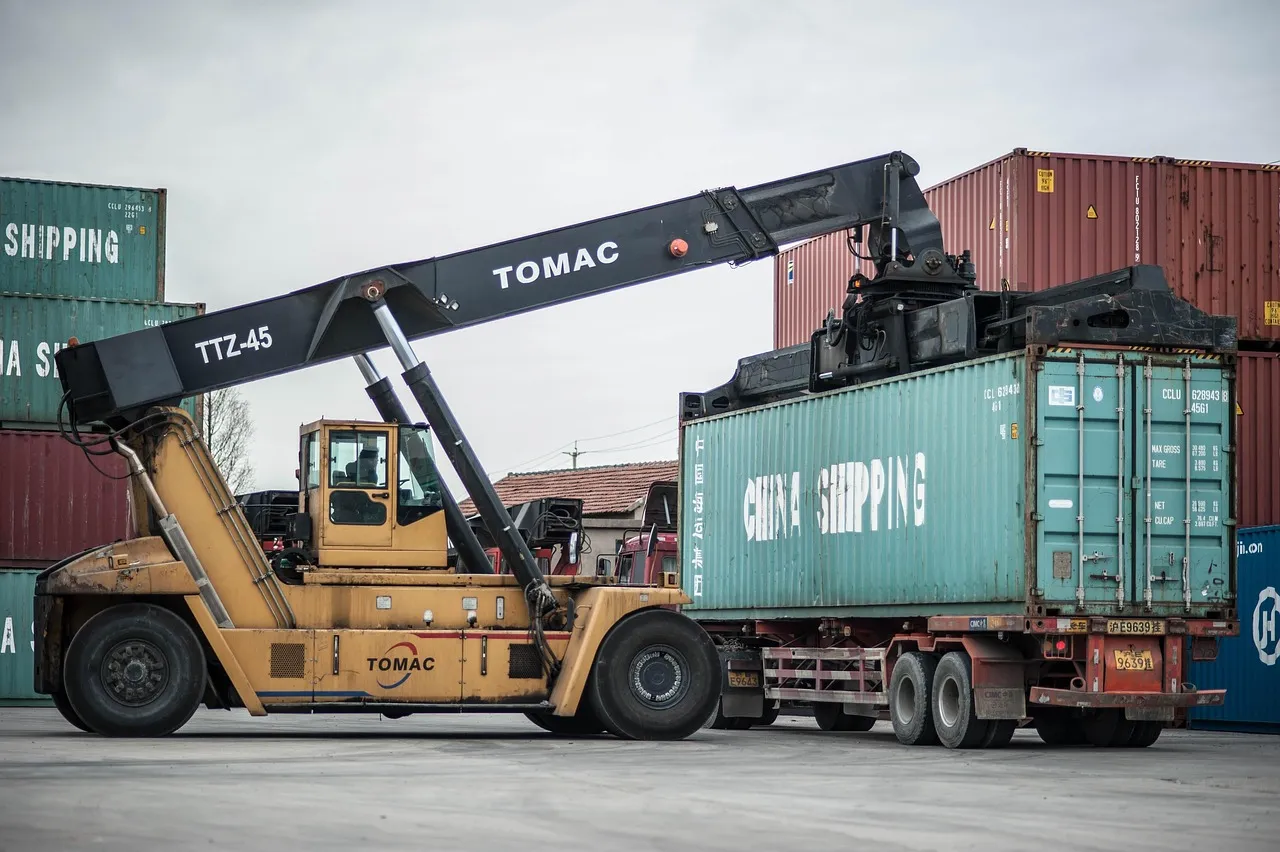
Delays pile up when too many trucks arrive in the same window, when docks are understaffed, or when freight is not ready. Port and terminal congestion adds more wait before trucks ever reach your door. Fixing scheduling usually cuts detention faster than fighting invoices.
Terminal conditions are a good example of delay you cannot control. Our report on San Pedro Bay dwell times on record volume shows how container waits ripple down to your dock. River and canal disruptions do the same, as covered in our look at the Rhine's record low water. A truck that picks up late from a congested terminal arrives late to you, and you may still get the bill.
Shippers who track the cause can sometimes pass the cost back. Good records separate delay you caused from delay you inherited.
Prevent the Next Detention Bill
The cheapest dispute is the one you never have. Most detention comes from a handful of repeat causes, and each has a direct fix. Start with the ones that cost the most trucks the most time.
These changes reduce detention at most facilities:
- Use fixed appointment windows and hold carriers to them.
- Stage freight before the truck arrives.
- Keep a named dock contact who answers the phone.
- Track average dock time per carrier each month.
- Negotiate free time and rates before the first load.
Vetting matters here too. A carrier that bills detention aggressively or claims waits that never happened may be a quality problem, not just a cost problem. Our piece on freight fraud and how to vet a carrier covers the warning signs before you tender a load.
One more habit helps. Review detention charges monthly, by carrier and by facility. A pattern at one dock tells you where the real problem sits. At Laneage, we treat that monthly review as the single most useful routine a small shipper can adopt.
Conclusion: Records Win Detention Disputes
Detention is a contract fee that turns into a fight only when nobody kept good records. Read the rate confirmation first, build a timeline from your own gate and dock logs, and dispute only what the evidence contradicts. Pay what is valid, quickly.
Your next step is simple. Pull your last three detention invoices and compare each one to your own timestamps. If your records cannot answer the questions in the table above, fix the recordkeeping before you fix anything else. The bills usually shrink once the paperwork improves.