Inside a Modern Cross-Dock Terminal: What Actually Happens to Your Freight
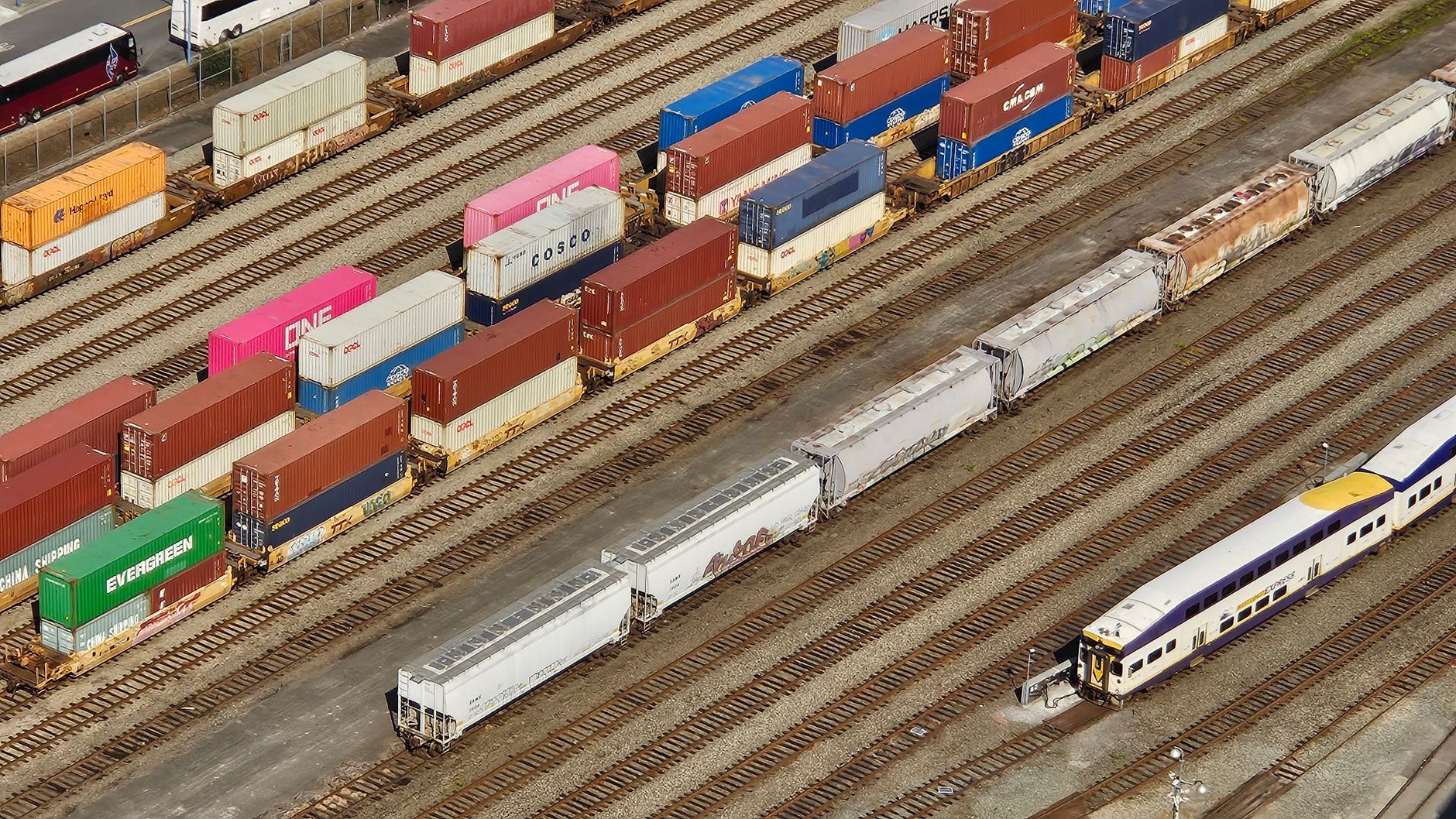
A cross-dock terminal receives inbound freight, sorts it by destination, and reloads it onto outbound trailers, usually within a single…
In this report 7 sections
Quick answer: A cross-dock terminal receives inbound freight, sorts it by destination, and reloads it onto outbound trailers, usually within a single shift, without ever putting the freight into long-term storage.
Most shippers never see the building their freight actually passes through. A cross-dock terminal is where the real work of LTL happens, and understanding the choreography explains a lot about why transit times and damage rates look the way they do.
The Inbound Sort

Trailers arrive through the night and early morning, each one carrying freight bound for dozens of different destinations picked up across a region the day before. Dock workers scan each pallet, confirm weight and dimensions against the bill of lading, and route it to a staging lane matched to its outbound trailer.
This is also where freight class disputes originate — a shipment quoted as Class 70 that scales at Class 100 gets flagged here, not at pickup, which is why the invoice sometimes looks different than the original quote.
Reload and Line-Haul
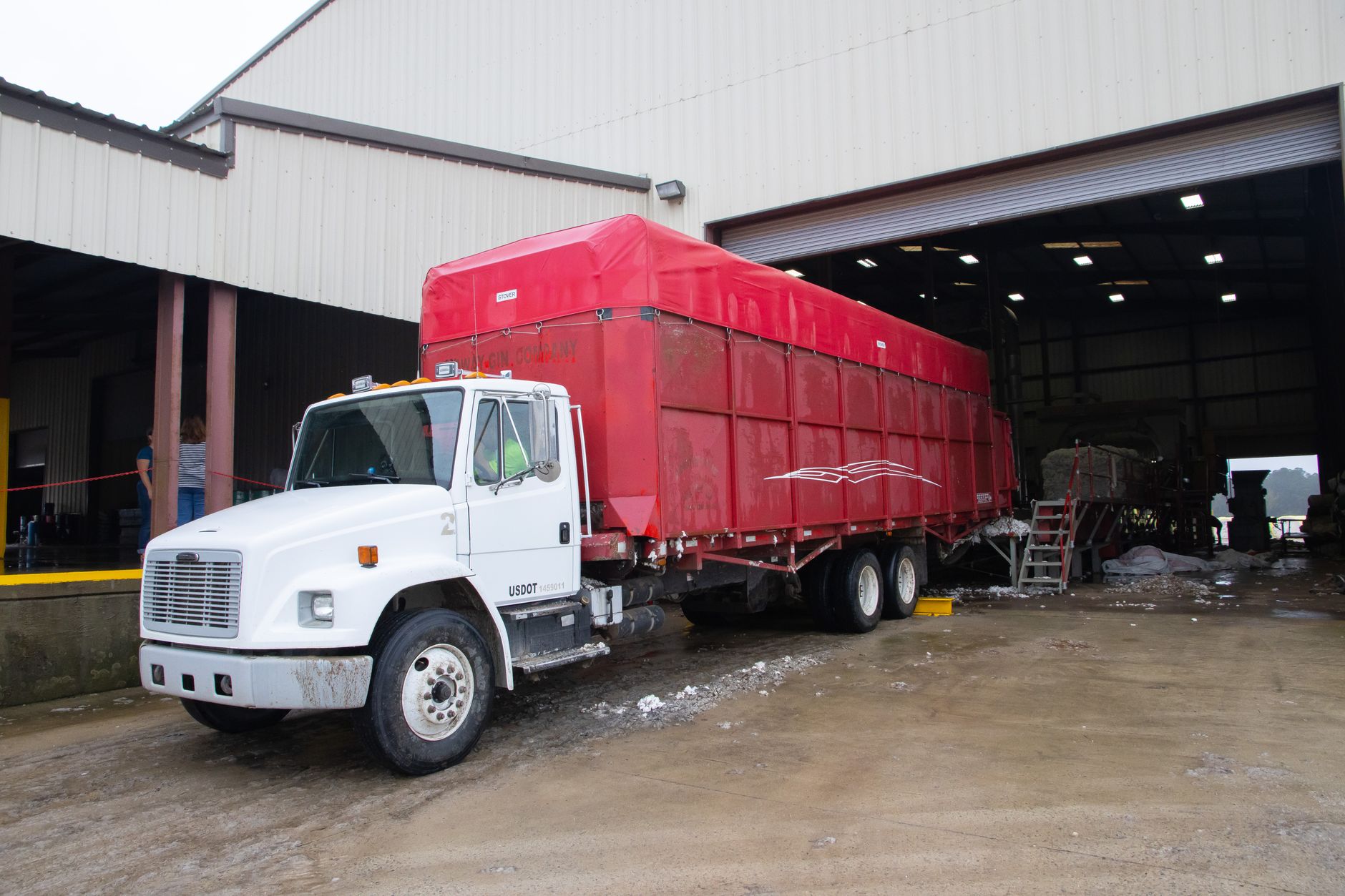
Once sorted, freight gets reloaded onto a line-haul trailer headed to the destination region, often a different terminal several states away. A single pallet might get handled by a forklift four separate times between pickup and final delivery — origin dock, sort, destination terminal, delivery truck.
Each handling touch is also a damage-risk point, which is why properly banded, shrink-wrapped freight on an intact pallet clears the process with far fewer claims than freight shipped loose or on a damaged pallet. Our LTL packaging guidance goes into what actually holds up.
Peak Season Bottlenecks

During peak shipping months, it is terminal dock-door capacity — not truck availability — that usually caps how much freight a carrier can move through a given facility per day. A terminal running at capacity starts holding freight an extra shift, which is where seasonal transit delays actually originate.
Carriers that publish accurate lane transit times account for this seasonal terminal congestion; carriers quoting a flat number year-round are usually giving you their best-case scenario, not their peak-season reality.
What This Means Day to Day
For most teams working on cross-dock terminal, the theory matters less than what changes on Monday morning — recent government data on this front only tells part of the story. Laneage hears from readers in logistics roles who are less interested in the abstract policy or strategy debate and more interested in what specifically to check in their own operation this week — a contract line, a packing checklist, a supplier conversation.
Nicole Farr's own reporting on this beat, cross-checked against industry reporting from outlets that track it closely, keeps coming back to the same pattern: the shippers and planners who do best are the ones who treat cross-dock terminal as a recurring line item to monitor, not a one-time decision made once and never revisited. That single habit — building a short recurring review into an existing planning cycle rather than creating a new standalone process — tends to matter more than any individual tactic covered above.
It also helps to name an owner. A lot of the mistakes Laneage sees on this beat do not come from a lack of information — the guidance above is not obscure — they come from nobody on the team being explicitly responsible for checking it on a regular cadence. If cross-dock terminal touches more than one department, put one name on it, even if the actual work stays distributed, so a slipping metric or an expiring exception has somewhere to land before it becomes a bigger problem. Our wider coverage of this beat has more on how other teams have split that ownership.
Where to Start This Week
Working through everything above in one sitting is not realistic for most teams, so it helps to prioritize. Here is a rough order of operations based on what Laneage typically sees pay off fastest:
- First: Freight typically spends under 24 hours inside a cross-dock terminal — this is usually a manageable first step even for a team without a lot of spare bandwidth, and it tends to surface pretty quickly whether the rest of the process needs a bigger rework or just a tune-up.
- Next: Reweighing and reclassification happen here, not at pickup — this is usually a manageable first step even for a team without a lot of spare bandwidth, and it tends to surface pretty quickly whether the rest of the process needs a bigger rework or just a tune-up.
- Then: Dock door assignment is optimized by destination zip code density — this is usually a manageable first step even for a team without a lot of spare bandwidth, and it tends to surface pretty quickly whether the rest of the process needs a bigger rework or just a tune-up.
- Then: Damage risk concentrates at the two reload points, not in transit — this is usually a manageable first step even for a team without a lot of spare bandwidth, and it tends to surface pretty quickly whether the rest of the process needs a bigger rework or just a tune-up.
- Finally: Terminal capacity, not linehaul capacity, is often the real bottleneck at peak — this is usually a manageable first step even for a team without a lot of spare bandwidth, and it tends to surface pretty quickly whether the rest of the process needs a bigger rework or just a tune-up.
None of these steps require a large budget or a new system to start — most of the value comes from someone actually sitting down with the current process, the current supplier or carrier agreement, or the current data, and checking it against what is outlined above rather than assuming it already matches. Teams that skip straight to a technology purchase before doing this basic review tend to automate an already-broken process rather than fix it.
It is also worth revisiting this list on a set schedule rather than treating it as a one-time cleanup — our broader operational playbook covers how to build that review into a planning calendar. Conditions on cross-dock terminal shift — new suppliers, new regulation, new competitive pressure — and a checklist that was accurate a year ago is not a guarantee it still is today. See also our related coverage for how this connects to the rest of the beat.
Bottom Line
Nothing about cross-docking is mysterious once you have watched it happen — it is a tightly timed sort-and-reload operation, and most of the friction shippers experience (reclass fees, damage claims, seasonal delays) traces back to a specific point in that process.
Laneage will keep tracking this topic as conditions change, and readers working through it in their own operation are welcome to reach out through the site with questions this piece did not cover.
Frequently Asked Questions
How long does freight sit at a cross-dock terminal?
Typically under 24 hours — the entire point of cross-docking is to avoid storing freight, moving it straight from inbound to outbound trailers.
Why did my freight get reclassified at the terminal?
Terminals reweigh and re-measure freight during the sort. If the actual class differs from what was booked, the carrier adjusts the invoice to match.
Why does damage happen more in LTL than truckload?
LTL freight is physically handled multiple times during cross-docking; truckload freight is loaded once and unloaded once, cutting the number of opportunities for damage significantly.
Laneage covers the operational and policy side of moving goods — from the dock to the border, and from the warehouse floor to the fulfillment center. Nicole Farr reports for Laneage on this beat, drawing on conversations with shippers, carriers, and compliance teams working through these exact questions every week.