How to Choose an LTL Carrier: A Shipper's Checklist
Choosing an LTL carrier comes down to four things: terminal coverage on your actual lanes, published on-time performance, how they handle…

In this report 9 sections
Quick answer: Choosing an LTL carrier comes down to four things: terminal coverage on your actual lanes rather than national footprint, published on-time performance broken out by lane, how they actually handle claims and settlement time, and whether their accessorial fee schedule matches how you really ship. Score candidates on all four before signing, not price alone.
Picking an LTL carrier off a rate sheet alone is how shippers end up with a cheap quote and a bad experience. The carriers that look identical on price often differ sharply on the things that actually cost money later: claims handling, terminal density, and how honestly they quote accessorials up front.
Step 1: Map Your Actual Lanes

Before contacting a single carrier, list your top origin-destination pairs by volume. A carrier with 500 terminals nationally can still be a poor fit if their nearest terminal to your destination is 80 miles away, adding a day of transit and a higher chance of a missed delivery window.
Ask each candidate carrier directly for their terminal serving your specific zip codes, not their total terminal count. A regional carrier with a terminal ten minutes from your dock can beat a national name every time on your specific lane.
Step 2: Check Real On-Time Data

Every carrier will claim a strong on-time percentage. Ask for it broken out by the specific lane you are quoting, not a blended national number — a carrier can post 95% on-time nationally while running 80% on a thin regional lane.
Third-party freight benchmarking services and load boards increasingly publish lane-level on-time data. Cross-check whatever the sales rep tells you against that if you have access, and weight it heavily for time-sensitive freight.
Step 3: Interrogate the Claims Process

Ask directly: what is your claims ratio, and what is the average time to settle a claim? A carrier that takes 90 days and fights every claim on a technicality is a worse partner than one with a slightly higher rate and a 15-day average settlement. Our LTL freight guide covers how claims-friendly packaging avoids this fight altogether.
Get the liability terms in writing per freight class before you ship anything valuable. Some carriers cap released value well below replacement cost by default, which only becomes visible reading the actual bill of lading contract, not the sales pitch.
Step 4: Negotiate Accessorials Up Front
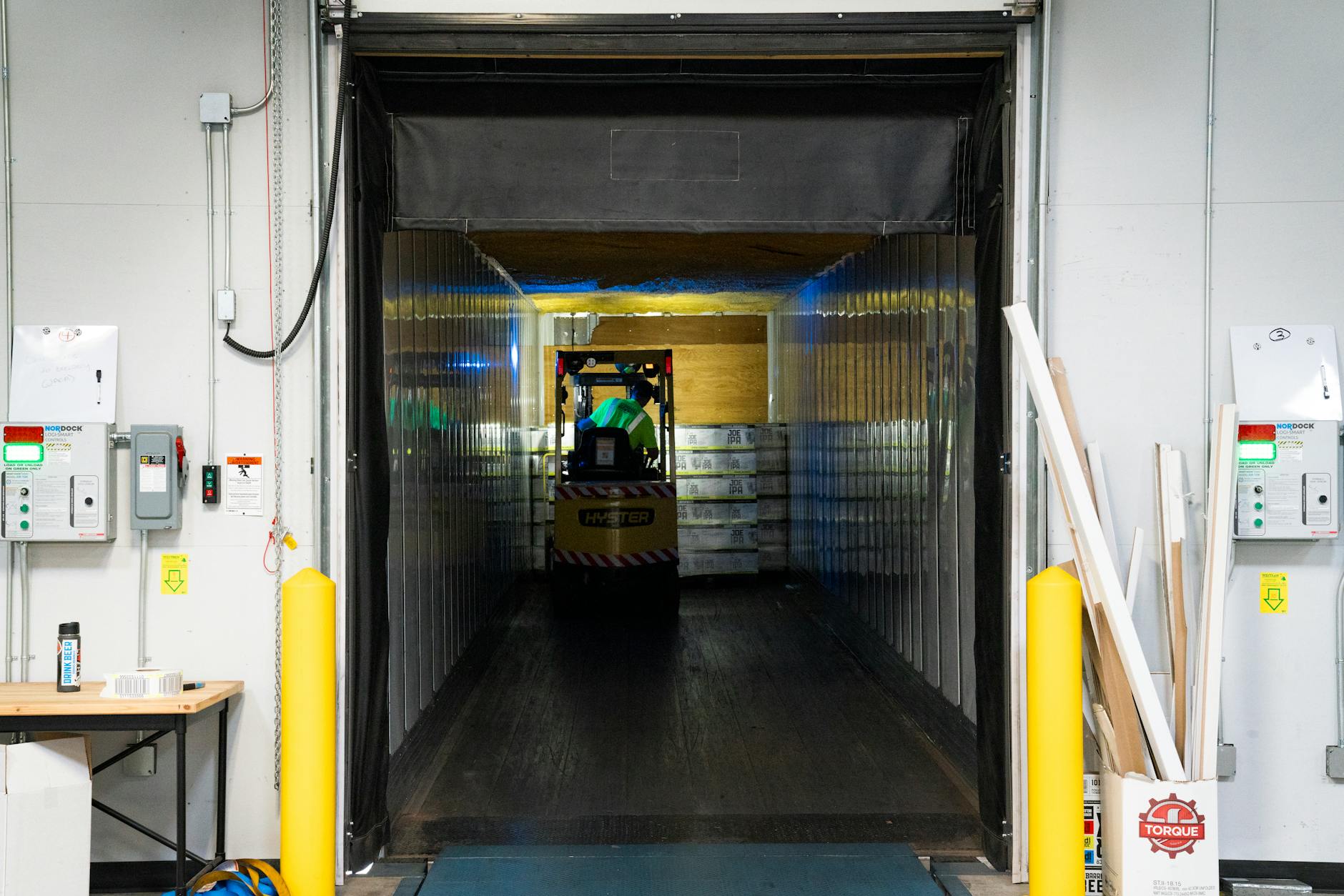
Liftgate, residential, limited-access, and inside delivery fees vary widely between carriers and are where a "cheap" quote quietly becomes expensive. Ask for the full accessorial schedule before your first shipment, not the base linehaul rate alone.
If you ship to residential or limited-access addresses regularly, negotiate those specific accessorials as part of the base agreement rather than accepting list price — carriers will usually discount them for known recurring volume.
What This Means Day to Day
For most teams choosing an LTL carrier, the theory matters less than what changes on Monday morning. Recent government data on this front only tells part of the story. Laneage hears from readers in logistics roles who care less about the abstract strategy debate. They want to know what to check in their own operation this week: a contract line, a packing checklist, a supplier conversation.
Walt Simmons's own reporting on this beat keeps coming back to the same pattern, cross-checked against industry reporting from outlets that track it closely. The shippers and planners who do best treat carrier selection as a recurring line item to monitor. They don't treat it as a one-time decision made once and never revisited. Building a short recurring review into an existing planning cycle tends to matter more than any single tactic covered above.
It also helps to name an owner. Most of the mistakes Laneage sees on this beat don't come from a lack of information; the guidance above isn't obscure. They come from nobody on the team being explicitly responsible for checking it on a regular cadence. If carrier selection touches more than one department, put one name on it. The work can stay distributed, but a slipping metric needs somewhere to land before it becomes a bigger problem. Our wider coverage of this beat has more on how other teams split that ownership.
Where to Start This Week
Working through everything above in one sitting is not realistic for most teams, so it helps to prioritize. Here is a rough order of operations based on what Laneage typically sees pay off fastest:
- First: Map terminal density on your specific lanes. National footprint matters far less than a terminal actually close to your dock.
- Next: Ask every candidate for on-time percentage by lane, not a blended national number.
- Then: Ask directly about claims ratio and average settlement time. This separates good carriers from bad ones faster than a rate sheet ever will.
- Then: Get every accessorial fee in writing before your first shipment, not after the invoice arrives.
- Finally: Build a simple carrier scorecard once you're running more than a few lanes a month. Gut feel stops scaling around then.
None of these steps require a large budget or a new system to start. Most of the value comes from someone actually sitting down with the current process, the current carrier agreement, or the current data. Check it against what's outlined above rather than assuming it already matches. Teams that skip straight to a technology purchase before doing this basic review tend to automate an already-broken process instead of fixing it.
It's also worth revisiting this list on a set schedule rather than treating it as a one-time cleanup. Our broader operational playbook covers how to build that review into a planning calendar. Conditions around carrier selection shift: new carriers, new regulation, new competitive pressure. A checklist that was accurate a year ago is not guaranteed to still be accurate today. See also our related coverage for how this connects to the rest of the beat.
How Should You Negotiate LTL Rates After Picking a Carrier?
Bring your actual shipment history to the negotiation, not a projection. A carrier can price real volume far more aggressively than a guess, and a specific weight-and-lane breakdown gives their pricing desk something concrete to work from.

Negotiate the base rate and the accessorial schedule together, not separately. A carrier that discounts linehaul heavily but holds firm on liftgate and residential fees can end up costing more than a carrier with a smaller headline discount and honest accessorials.
Ask for a rate review clause tied to a set schedule, typically annual, rather than an open-ended contract that only gets revisited when you notice a problem. Freight rates move with fuel costs and capacity, and a stale contract usually favors the carrier over time, not the shipper.
Get multiple carriers bidding on your core lanes even after you've picked a primary one. A second carrier relationship, even at low volume, keeps your primary carrier's pricing honest at renewal and gives you a real fallback if service on the main lane slips.
Bottom Line
A cheap LTL quote that turns into denied claims and missed windows is not actually cheap. Score carriers on lane-specific on-time data, claims handling, and accessorial transparency, and the price differences that matter most tend to show up months later, not on day one.
Laneage will keep tracking this topic as conditions change, and readers working through it in their own operation are welcome to reach out through the site with questions this piece did not cover.
Frequently Asked Questions
How many LTL carriers should a shipper use?
Most mid-size shippers do well with two to three core carriers per region, plus a broker relationship for overflow or unusual lanes — enough for competition without losing volume-based leverage.
What is a reasonable on-time percentage to expect?
Look for 90%+ on your specific lane. Anything meaningfully below that on a lane you ship weekly is worth escalating or replacing.
Should I use a freight broker instead of booking direct?
Brokers add value for shippers without enough volume to negotiate carrier discounts directly, or for irregular lanes. High-volume, consistent lanes usually save more booking direct.
What documentation should I keep for every LTL shipment?
A signed bill of lading with accurate weight/class, photos of freight before it leaves your dock, and the delivery receipt with any exception notes — this is what makes or breaks a claim.
Laneage covers the operational and policy side of moving goods — from the dock to the border, and from the warehouse floor to the fulfillment center. Walt Simmons reports for Laneage on this beat, drawing on conversations with shippers, carriers, and compliance teams working through these exact questions every week.