Amazon's $1 Million Seller Insurance Rule Starts November 2: What Sellers Must Do
Amazon now requires $1 million in liability coverage for sellers in enhanced safety categories, with no sales threshold. Here is how to check your catalog and get covered.

In this report 10 sections
Amazon will require $1 million in commercial liability insurance from every seller with products in enhanced safety categories starting November 2, 2026, whether they sell $100 or $100,000 a month. Sellers should check each listing against the category list, buy a qualifying policy, and upload proof before peak season.
This guide is for Amazon sellers, private-label brands and the 3PL and operations teams who support them. It explains what changed, which products are likely affected, what a qualifying policy must say, and what a realistic timeline looks like. Laneage covers ecommerce operations, and this rule hits an area many small sellers treat as paperwork until it blocks a listing.
What Changed in Amazon's Insurance Rule?

Before this change, Amazon asked sellers to carry commercial liability insurance within 30 days of passing $10,000 in gross proceeds in a single month. Small sellers could stay under that line and skip the cost. That safety valve is gone for a defined set of risky products.
Amazon posted the new rule to its US Seller Forums on September 3, 2026. Per PPC Land's report on the notice, sellers with products in enhanced safety categories must hold $1 million in commercial liability coverage regardless of monthly sales. The rule covers new and existing listings and takes effect November 2, 2026, 60 days after the notice.
The timing is the hard part. November 2 lands right before Black Friday on November 27. A listing pulled in the first week of November costs a seller far more than the premium.
Who is hit hardest? Small private-label sellers and resellers with one or two flagged products. A large brand likely carries coverage already. A seller with a few dozen units of a kids' item in a side catalog has the most to lose, because the premium is a fixed cost spread over very little revenue.
Some sellers will simply delist. That may be the right call for a low-margin item, but make it a decision, not an accident.
Which Products Count as Enhanced Safety Categories?
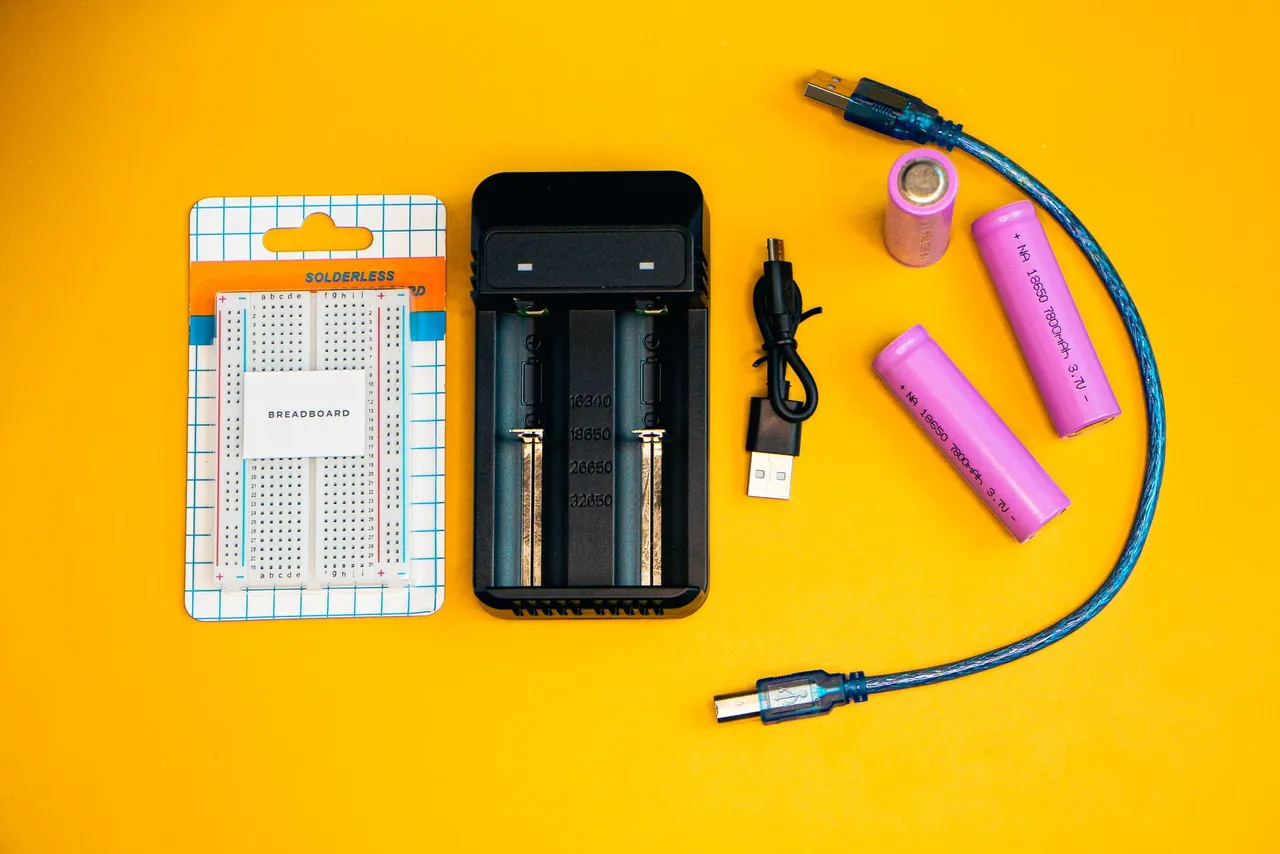
Amazon's notice names children's products, cosmetic and ingestible products, and lithium battery products, and says the list is not limited to those. EcomCrew's coverage counts 11 categories, which also include supplements, small kitchen appliances, mattresses and tires, according to its breakdown for small sellers.
The examples are not the whole list. A seller who sells a phone charger, a heated blanket or a baby bottle may be in a category that sounds unrelated to risk. Amazon's own category page is the final word, and sellers should read it directly rather than rely on a blog summary.
Check at the product level, not the brand level. One brand can have nine safe items and one flagged one, and that single ASIN triggers the requirement for the account.
What Must a Qualifying Policy Include?
A qualifying policy has to meet several specific terms. Amazon's requirements, as summarized by EcomCrew, are:
- Commercial general, excess or umbrella liability coverage.
- At least $1 million per occurrence and in aggregate.
- A deductible of no more than $10,000.
- Occurrence-based coverage across every product listed on Amazon.
- Amazon.com Services LLC and its affiliates and assignees named as additional insureds.
- An insured name that matches the legal entity on the Amazon account exactly.
That last point trips up more sellers than any other. If your Amazon account says "Northline Goods LLC" and the policy says "Northline Goods," the upload can be rejected. Match the legal entity name character for character before you submit.
The provider must also offer global claim handling. Ask for that in writing during the quote, because some small-business insurers limit claims to US addresses.
Do Sellers in China Face a Different Rule?
Yes. Sellers based in mainland China face an extra step. Starting November 2, Amazon will reject newly submitted policies from these sellers unless they come through the Amazon Insurance Accelerator, its network of vetted insurers. A compliant policy submitted before November 2 stays valid until it expires.
Sellers elsewhere keep their choice of insurer, and the accelerator stays optional. Even so, a US seller can use the accelerator's quote tool to benchmark prices, which sits under Business Insurance in Account Info in Seller Central.
How Much Will the Coverage Cost?

Prices vary widely by category and revenue. EcomCrew reported accelerator quotes of $837 to $2,200 a year for sellers with $500,000 to $1 million in revenue. Those figures came before the rule change, so current quotes may differ.
Risk drives the price more than size. A seller of printed tote bags gets a cheap quote. A seller of lithium power banks or ingestible supplements may face a much higher premium, a policy with exclusions, or an outright decline. One provider, per EcomCrew, would not insure products made in China.
For a tiny seller, a premium near $1,000 a year can swallow a month of profit on a slow listing. Run the math per ASIN. If an item nets $300 a month, the insurance can erase a year of its margin and the listing may no longer be worth keeping in a flagged category.
Insurance is also not the only cost that peaks this season. Our 2026 holiday peak surcharge schedule shows what carriers will add to the same orders, and the two together shape your holiday margin.
What Is the Realistic Timeline to Get Covered?

Sellers should treat the next two weeks as the working window. Quotes take a few days, underwriting can take longer, and Amazon needs time to review an uploaded certificate. A seller who starts on November 1 has almost no room for a rejection.
Follow these steps in order:
- Export every active ASIN and mark the ones in enhanced safety categories.
- Confirm the exact legal entity name on your Amazon account.
- Request at least three quotes, including the accelerator quote tool.
- Check each quote for the additional insured wording and the deductible.
- Bind the policy and upload the certificate under Business Insurance.
- Calendar the renewal date so coverage never lapses mid-season.
Sellers who use a third-party logistics provider should also tell that provider. A 3PL often holds its own liability policy, but that coverage protects the warehouse, not your products on Amazon. It does not replace the seller's policy.
Common Mistakes Sellers Make With Marketplace Insurance
The most common error is buying the wrong kind of policy. A general small-business policy that excludes product liability will not satisfy Amazon, even if the certificate shows $1 million. Read the exclusions page before you pay.
The second error is covering only the products you consider risky. Amazon asks for coverage across every product listed, so a policy limited to one product line fails the test. Ask the broker to confirm that coverage applies to all ASINs on the account.
The third error is forgetting the renewal. A lapsed certificate can pull listings back out of good standing, usually at the worst possible time. Set a reminder 45 days before expiry, and ask the insurer to send the new certificate to a shared inbox, not one person's email.
Finally, keep a clean file. Store the policy, the endorsement naming Amazon and the upload confirmation in one folder. If a listing is flagged, that folder is what lets a seller support case move in a day instead of a week.
Will Amazon Actually Enforce It?
Nobody knows yet. Amazon's notice does not describe enforcement. PPC Land cites SellerEssentials reporting that affected sellers get an email and 45 days to submit proof before enhanced-category listings can be deactivated, though that detail is not in Amazon's own notice.
EcomCrew points out that Amazon's 2021 insurance rules were widely described as unenforced. That history is a reason for some sellers to wait. It is a poor reason to bet a holiday quarter on. At Laneage, our editors read the risk the other way: the cost of waiting is a suppressed listing in peak season, and the cost of acting is a premium you can usually plan for.
How Does This Fit With the Other Cross-Border Deadlines?
Sellers who ship across borders have more than one date to watch. The EU's new parcel duty also arrives soon, and we covered what sellers should do in our guide to the EU €3 parcel duty before November 1. Put both dates on the same calendar so a compliance task does not get lost during the Black Friday rush.
Conclusion
Amazon's $1 million insurance rule removes the sales threshold for enhanced safety categories, and it starts November 2, 2026. The safest path is to audit your listings this week, get three quotes, match your legal entity name exactly and upload proof early.
Your next step is a simple spreadsheet. List every ASIN, flag the ones in safety categories, and decide whether each one earns enough to justify the premium. Then act on the answer before the first week of November.