Section 338 Canada Import Ban: What Importers Must Check Now
The U.S. turned a 50% duty on some Canadian goods into an outright ban on September 29. Here is who is hit, what is not, and what to review line by line.

In this report 9 sections
The Section 338 Canada import ban is a set of U.S. rules that stop certain Canadian goods from entering the country at all. It took effect on September 29, 2026. Targeted tariff lines moved from a 50% extra duty to a prohibition, and USMCA origin does not exempt them.
This guide is for importers, brokers and shippers who move goods across the northern border. Laneage covers freight, supply chain, trade and ecommerce operations, and this piece sticks to the published rules. We explain what is banned, what is merely expensive, and the checks that matter this week.
What Did the U.S. Actually Ban on September 29?
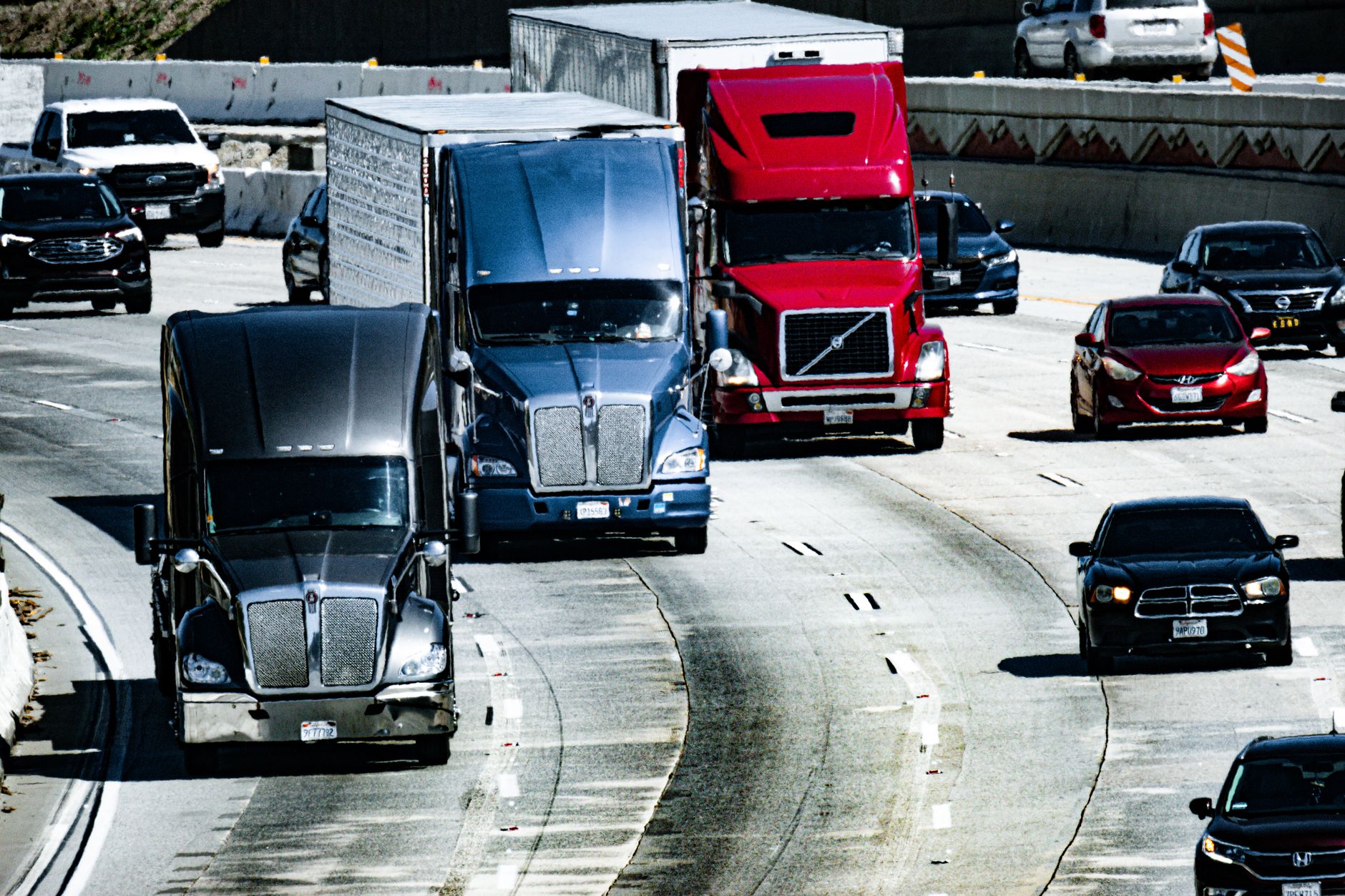
The ban covers narrow tariff lines, not whole industries. Reporting by the Associated Press, carried by FOX 9 on September 29, put the value at nearly $1 billion of Canadian imports. That is small next to total cross-border trade.
The banned goods fall into three groups. Alcohol includes malt beer, wine, cider, whisky and other spirits. Dairy-related lines include whey, molasses and non-alcoholic beer. The third group is one motor vehicle line, motorcycles and mopeds with engines over 800cc.
Passenger cars, light trucks and most auto parts are not banned. Bombardier Recreational Products (BRP), the Quebec maker, told the AP that its three-wheel Can-Am Spyder and Canyon models are excluded. It also said the effect will mostly show up in 2027, because most of this season's production has already shipped.
The headline said the U.S. banned Canadian dairy, alcohol and vehicles. The tariff schedule says something much narrower. That gap is why a line-by-line review beats reacting to the news.
Scale matters too. The U.S. had already set 50% duties on roughly $20 billion of Canadian goods, according to the same AP reporting, and Canada put counter-tariffs on about $20 billion of U.S. products. The ban is the sharper edge of a broader dispute. More than 70% of Canadian exports went to the U.S. last year, so both sides have strong reasons to keep adjusting the list.
How Does Section 338 Differ From the 50% Duty?

Section 338 of the Tariff Act of 1930 lets the president ban imports from countries that discriminate against U.S. commerce. Three White House proclamations used it here. According to FreightWaves' analysis of the Canada trade fight, targeted lines moved from a 50% additional duty to a prohibition, and each proclamation has a severability clause.
A duty is a cost. You pay it and the goods clear. A prohibition is a wall, and no amount of money gets the shipment through.
The two tools now sit side by side. Most industrial inputs from Canada stay on the 50% list rather than moving to a ban. Rock salt and cement came off the list entirely on September 15, while all-terrain vehicles and more dairy-related lines went on.
| Treatment | What it means | Examples |
|---|---|---|
| Prohibited (from Sept. 29) | Goods cannot enter | Malt beer, whisky, whey, molasses, motorcycles over 800cc |
| 50% additional duty | Goods enter after paying | Most industrial inputs, all-terrain vehicles |
| Removed from the list | No extra duty | Rock salt, cement |
The table above summarizes the three outcomes a Canadian-origin line can have today. Confirm each of your own lines against the proclamations before you ship.
Does USMCA Origin Protect Your Shipment?
No. USMCA origin does not exempt goods from Section 338 duties or prohibitions. Section 338 measures also stack on top of any Section 232 duties already applying to the same product, so a qualifying USMCA claim will not rescue a banned line.
This surprises many importers. They assume the trade agreement is a shield. In this case it is not, and C.H. Robinson says so plainly in its October 2026 freight market update, which also flags growing policy uncertainty for both Canada and Mexico.
We have seen the same pattern in earlier tariff rounds. Teams file the usual certificate of origin, then discover the duty applies anyway. Our earlier piece on U.S.-Mexico trade records and USMCA uncertainty covers why treaty status is no longer a safe planning assumption.
Why Does Importer-of-Record Data Matter Now?

Customs and Border Protection (CBP) began voiding importer-of-record (IOR) numbers on September 18 where the Form 5106 data is inaccurate or incomplete. A voided number cannot be used to enter goods. That turns a paperwork slip into a stopped shipment.
This rule is separate from the ban, but it bites in the same weeks. An importer with a clean product list can still be stuck at the border over a bad address or a mismatched name. Brokers are now treating IOR checks as a hard entry requirement.
Here is a short audit order that works for most teams.
- Pull the Form 5106 record for each importer-of-record number you use.
- Compare legal name, address and business details to your corporate filings.
- Correct anything that differs before the next entry, not after a hold.
- Ask your broker to confirm the number is still active in CBP's system.
The steps above take an afternoon. Waiting for a voided number to surface at a port takes far longer.
What Should Importers Review This Week?
Start with your tariff lines. List every Canadian-origin product you buy, match each to its 10-digit Harmonized Tariff Schedule code, and mark whether that code is banned, on the 50% list, or untouched. Trade counsel and customs brokers recommend this line-by-line review over reacting to headlines.
Next, check timing. Goods imported before September 29 but not yet entered for consumption stay at 50% instead of facing the ban, but that window closes at the entry deadline. A bonded warehouse can be real mitigation here, as trade compliance specialist James Ferry noted, because it lets you hold goods without a final entry decision.
Then check your inventory cushion. A banned input with no substitute can stop a production line within weeks. The trade-offs in our guide to just-in-time versus just-in-case inventory apply directly: a buffer costs money, but a gap costs more.
How Should Buyers Handle Supplier Contracts and Pricing?
Contracts are where a ban turns into a dispute. Most purchase agreements assign tariff risk to the buyer, the seller, or both under terms like Delivered Duty Paid (DDP). If a banned line cannot enter at all, a duty-allocation clause may not even apply, because no duty is ever paid.
Read the force majeure and change-in-law language before you call your supplier. Some contracts treat a new import prohibition as a cancellation right. Others leave the buyer holding the order. Your counsel should tell you which one you signed.
Pricing needs the same care. A Canadian input that now carries a 50% duty is a different product from the one you quoted last spring. Here is what to update first.
- Landed-cost models for every Canadian-origin item still on the 50% list.
- Customer quotes that were built on pre-September duty assumptions.
- Reorder points for goods that could face a ban with little warning.
- Insurance and carrier terms that name specific tariff codes.
The list above is short on purpose. Each item is a place where a hidden assumption can cost real money. We have seen finance teams catch the quote problem only after the first invoice arrived.
Will Litigation Bring the Goods Back?
Probably not in a way that helps you soon. Legal analyst Edmarverson A. Santos argued that the best realistic outcome for challengers is a downgrade from banned to expensive, not a return to the old treatment. If a court struck the ban, the 50% duty would likely apply to the same goods.
That means planning around the rule as written. Do not hold orders in the hope of a ruling. Price the 50% scenario into your costs and treat any relief as a bonus.
The counterpoint is that the list keeps moving. It changed on September 15 with no phase-in period, and it may change again. A review you did in September can be stale by November.
What Does This Mean for Cross-Border Freight?

Volume on the affected lines will fall, but the freight impact is narrow. Alcohol and dairy-related loads are a small slice of northbound and southbound moves. Carriers will mostly feel it on specific lanes and in specialized equipment.
The bigger issue is uncertainty. Shippers cannot bid cross-border capacity with confidence when the tariff list changes mid-month. Rail and truck options both stay open, and our report on rail carriers' capacity gains is a useful starting point for comparing modes.
At Laneage, we advise shippers to build a short list of backup suppliers outside Canada for any line that could be banned next. It is cheap insurance. It also gives you leverage in your next supplier talk.
Conclusion
The Section 338 Canada import ban is real, but it is narrow. A small set of tariff lines is prohibited, most industrial inputs remain on a 50% duty, and USMCA origin does not protect either group.
Your next step is simple. Map every Canadian-origin product to its tariff code this week, fix your importer-of-record data, and talk to your broker about entry timing. Do those three things and you will know exactly where you stand.


